

Smart Automation: Unveiling New Job Opportunities in Brazil's Evolving Market
Brazil's economy is changing fast, and a big part of that is smart automation. It's not just about robots on assembly lines anymore; it's about using smart tech to make things work better. This shift is creating a bunch of new jobs, especially in areas like AI and warehouse management. If you're looking to get ahead, understanding these changes and getting the right skills is key. This article looks at how smart automation is reshaping Brazil's job market and what opportunities are opening up. We'll also touch on how people can get ready for these new roles. Smart Automation Smart Automation: New Jobs in Brazil is a hot topic right now.
Key Takeaways
- Brazil is seeing a significant rise in smart automation across industries, driven by government support and the need for efficiency.
- New job roles are emerging in fields like industrial AI and warehouse automation, requiring specialized skills.
- Developing a skilled workforce through training and education is vital to meet the demands of Brazil's evolving tech landscape.
The Rise Of Smart Automation In Brazil
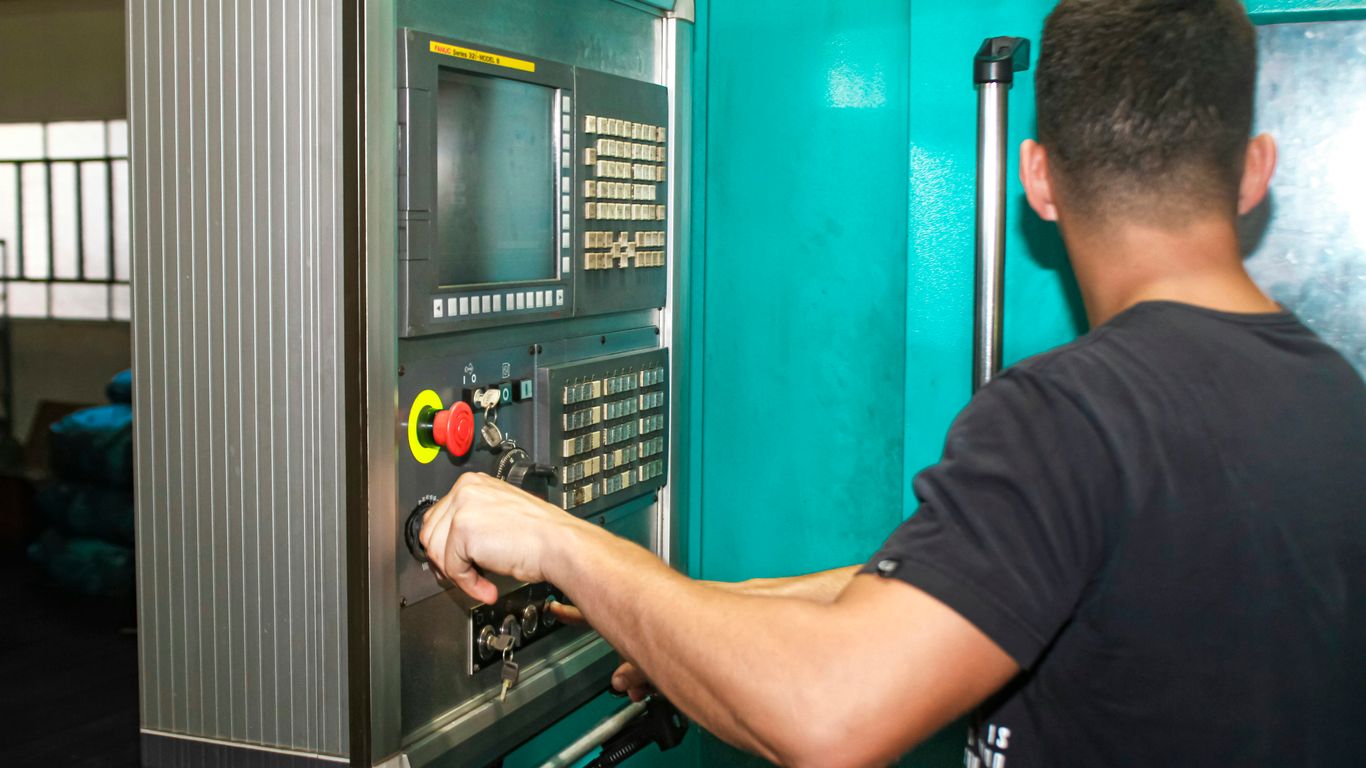
Brazil's industrial landscape is changing fast, and smart automation is a big part of that. We're seeing more and more companies adopt these technologies to stay competitive. It's not just about big factories anymore; automation is spreading across different sectors.
Key Market Dynamics Driving Automation Adoption
Several things are pushing automation forward here. For starters, the e-commerce boom is huge. More online shopping means warehouses need to be way faster and more accurate. To keep up with customer demands for quick delivery, businesses are investing in automated systems. Think robots moving goods around and smart software managing inventory. This isn't just a trend; it's becoming a necessity for survival in the retail space.
Also, the push for efficiency is constant. Companies are looking for ways to cut costs and reduce errors. Automation helps with both. It can handle repetitive tasks tirelessly, freeing up human workers for more complex jobs. Plus, with the Brazil industrial automation market projected to grow significantly in the coming years, it's clear that businesses see the value.
The integration of AI and robotics is transforming warehouses from simple storage spaces into intelligent hubs. This shift is driven by the need for speed, accuracy, and cost reduction in logistics.
We're also seeing a rise in AI in manufacturing. Companies are using AI for things like predicting when machines need maintenance, which stops costly breakdowns. It's also used to improve production lines, making them run smoother and produce higher quality goods. The automotive sector has been a leader here, but other industries like food and beverage are catching up fast.
Government Initiatives Fueling Digital Transformation
The Brazilian government is playing a major role too. They've launched big plans to modernize the country's digital infrastructure. A significant investment was announced for digital transformation, with a focus on areas like semiconductors and industrial robotics. This kind of support creates a much better environment for companies to invest in automation technologies.
These initiatives are designed to boost Brazil's global competitiveness. By supporting advanced automation, the government is helping local businesses adopt new tech and encouraging international companies to set up shop here. It's a long-term strategy to build a stronger, more modern industrial base. The National AI Plan, for example, specifically targets warehouse automation and logistics, showing a clear direction for development.
This government backing, combined with the market's own demands, is creating a really dynamic situation. It's making automation more accessible and encouraging innovation across the board. It's an exciting time to see how these changes will shape the job market and the economy as a whole. If you're interested in how these advancements are being supported, exploring platforms like EduGradus, which offers courses in 10 languages and international certification, could be a great next step.
New Job Opportunities In Smart Automation
The wave of smart automation is not just changing how businesses operate in Brazil; it's also creating a whole new landscape of jobs. Forget the old fears of robots taking over everything. Instead, think about the new roles popping up, requiring different skills and offering exciting career paths. This shift is opening doors for people who can work with these smart systems, not just be replaced by them.
Emerging Roles In Industrial AI
Industrial Artificial Intelligence (AI) is a big part of this. It's all about using AI to make factories and industrial processes smarter and more efficient. We're seeing a growing need for people who can develop, implement, and manage these AI systems. Think about roles like AI specialists who design algorithms for predictive maintenance, ensuring machines don't break down unexpectedly. Then there are data scientists who analyze the massive amounts of information generated by these smart factories to find ways to improve production. Even roles focused on the ethical use of AI in industrial settings are becoming important, especially with new regulations like the LGPD coming into play.
- AI System Integrators: These professionals connect AI software with existing industrial hardware.
- Predictive Maintenance Analysts: They use AI to forecast equipment failures before they happen.
- Industrial Data Scientists: Focused on extracting insights from manufacturing data.
- Robotics Engineers: Designing and maintaining automated systems.
The industrial AI market in Brazil is projected for significant growth, with estimates suggesting a compound annual growth rate of around 46.03% between 2025 and 2035. This rapid expansion points to a sustained demand for skilled professionals in this field.
The Growing Demand For Warehouse Automation Specialists
E-commerce has exploded, and with it, the need for efficient warehouses. Automation is the key to handling this surge. This means a huge demand for people who understand how to set up and run automated warehouses. We're talking about specialists who can manage automated guided vehicles (AGVs), optimize robotic picking systems, and ensure the smooth flow of goods from order to delivery. The Brazilian government's investment in digital transformation, including BRL 186.6 billion for modernization, is directly fueling this need. This initiative supports everything from semiconductors to smart logistics, making it a prime area for job creation. It's not just about the big players; smaller businesses are also looking to automate, creating opportunities across the board. Understanding the Marco Civil da Internet is also becoming relevant as these systems become more interconnected.
Here’s a look at some key areas:
- Warehouse Management System (WMS) Developers: Creating and improving the software that controls warehouse operations.
- Automation Technicians: Installing, maintaining, and troubleshooting automated equipment like robotic arms and conveyor belts.
- Logistics Optimization Specialists: Using data and technology to make the movement of goods faster and cheaper.
- AGV/AMR Operators and Supervisors: Managing fleets of autonomous mobile robots.
The demand for skilled professionals in warehouse automation is rapidly increasing, driven by e-commerce growth and government initiatives. This creates a fertile ground for new careers in Brazil's evolving market. If you're looking to get involved, exploring platforms like EduGradus can be a great first step, offering courses in 10 languages and international certifications to boost your qualifications.
Cultivating A Skilled Workforce For The Future
Smart automation changes a lot for the job market in Brazil. As more companies adopt new tech, the job landscape is shifting fast. If you’re not learning new skills, you might find yourself left behind. But it’s not just about chasing the latest software or programming language—people skills are starting to matter more than ever.
Focus On Workforce Skill Development
Today, employers in Brazil expect that almost 40% of required skills will shift by 2030. That sounds huge. So, continuous learning and practical on-the-job training are quickly turning into the new normal. Here’s what many companies are doing:
- Setting up internal training programs that focus on problem-solving, teamwork, and adaptability
- Partnering with tech schools to make courses more relevant to real-world needs
- Encouraging employees to pick up both technical and human skills (like conflict resolution and flexibility)
| Year | Projected Share of Jobs Requiring New Skills |
|---|---|
| 2023 | 44% |
| 2030 | 39% |
A lot of Brazilian professionals are now pursuing short courses or micro-certifications to adapt. Even so, challenges remain for underrepresented groups in tech, as explored in technology and inclusion courses, which can help open more doors.
Bridging The Technological Talent Gap
Brazil isn’t short on ambitious talent, but there’s a noticeable gap between what employers need and what schools currently teach. The country faces a real bottleneck—there are roughly 2.4 candidates for every spot in IT programs, and not enough make it through.
Main issues facing the sector:
- Getting quality tech education to more people
- Reducing drop-out rates in private institutions (at nearly 39%)
- Making sure content matches the needs of automation and AI-driven businesses
The demand for tech skills in Brazil is outpacing the supply, and that means skilled professionals will remain in high demand for years to come—if they keep learning.
The automation wave does create job risks, especially for certain groups, such as women and Black workers, as seen in the future work analysis. That’s why practical, accessible training is key—not only for growth, but for inclusion.
To keep up with all these changes, check out EduGradus. The platform offers content in 10 languages and gives you internationally recognized certification—worth a look if you want to get ahead in Brazil’s automated future.
Getting ready for future jobs means building a team with the right skills. We help you train your employees so they can do their best work now and in the years to come. Visit our website to learn how we can help your business grow and succeed.
Looking Ahead: Your Place in Brazil's Automated Future
So, what does all this mean for you? Brazil's industrial scene is changing fast, and that means new jobs are popping up. It's not just about robots on an assembly line anymore. Think about managing smart warehouses, fixing complex automated systems, or even designing the next wave of AI tools. The key is staying curious and ready to learn. Whether it's through online courses or on-the-job training, picking up new skills will be your best bet. Companies are looking for people who can work with these new technologies, and those who adapt will find plenty of opportunities opening up. It's an exciting time to be part of Brazil's move towards a more automated and efficient future.
Frequently Asked Questions
What is smart automation and why is it growing in Brazil?
Smart automation is like using smart machines and computers to do jobs that people used to do, especially repetitive or difficult ones. In Brazil, it's becoming more popular because companies want to work faster and better. The government is also helping by supporting new technology, which makes it easier for businesses to buy and use these smart tools. This helps Brazil compete with other countries.
What kind of new jobs are being created by automation in Brazil?
As machines get smarter, new jobs are popping up! Think about people who design and build these robots, or those who teach the AI systems how to work. There's also a big need for folks who can manage and fix automated warehouses, making sure everything runs smoothly. These jobs require new skills, but they offer exciting career paths.
How can people in Brazil get the skills needed for these new automation jobs?
To get ready for these new jobs, people need to learn new skills. This means taking courses or training programs that teach about technology, like how to work with robots or understand AI. Many companies and the government are offering these programs. It's important to keep learning because technology is always changing, and staying updated helps you get a great job in the future.