
AI Factories: Unlocking Global Opportunities for Foreign Talent in Manufacturing
The manufacturing world is changing, and fast. You hear a lot about "AI factories" these days. It's not just about robots doing everything; it's about smart systems, software running the show, and machines that can learn. This shift is creating new chances, especially for people with skills from different countries. If you're looking to work internationally or just want to be part of the next big thing in making stuff, understanding AI in factories is key. This is where opportunities for foreigners really open up.
Key Takeaways
- AI factories are making manufacturing more connected and flexible, driven by software and smart machines. This creates a global demand for skilled workers.
- New roles are appearing that work with AI and advanced robots, meaning people need to learn new skills to keep up. This is a big chance for international talent.
- The growth of AI in factories opens doors for workers to move between countries and advance their careers in multinational companies.
Embracing AI Factories: A Global Talent Opportunity
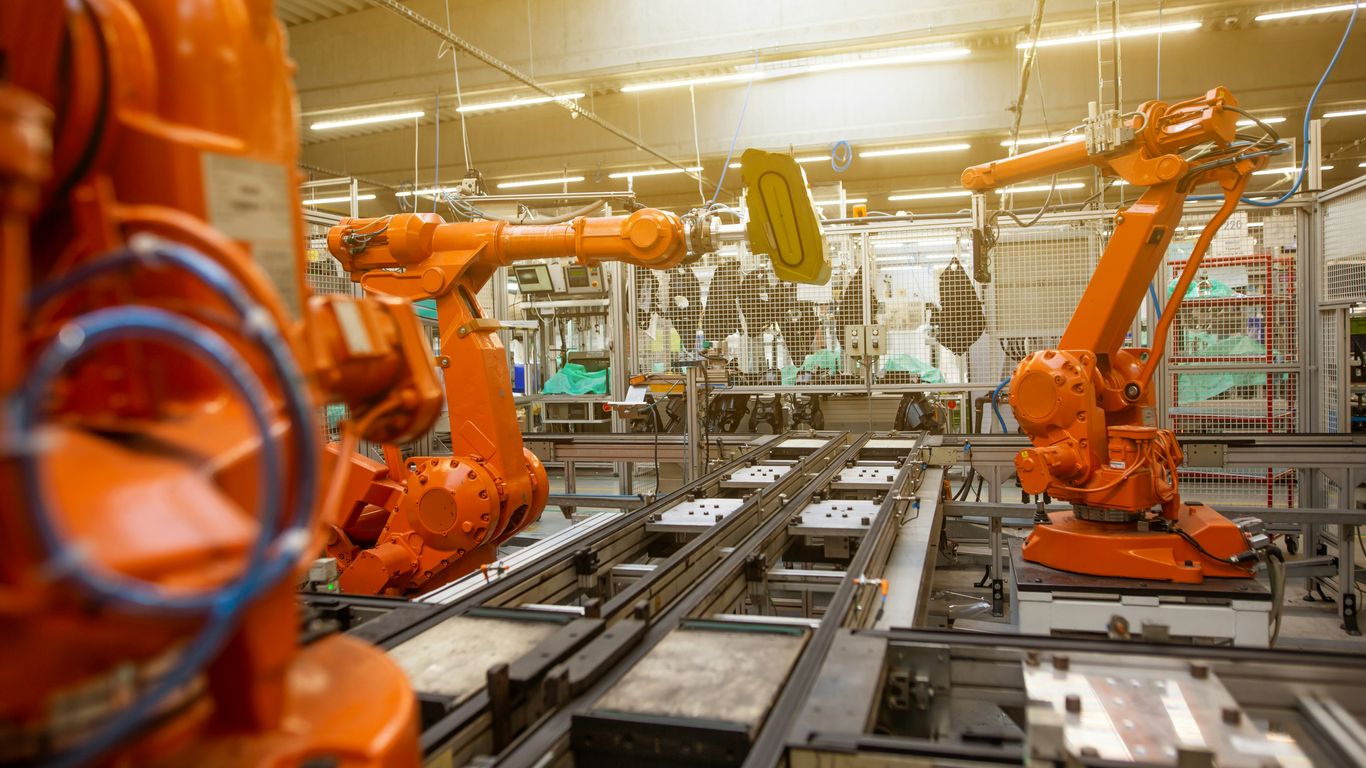
AI is changing more than just gadgets—it’s now at the heart of modern manufacturing. In recent years, the drive to create smarter, connected, and automated factories has moved from talk to reality. With these changes, foreign professionals find more open doors and interesting roles than ever before.
Manufacturers need people who can work with software systems, analyze data, and even teach machines to learn new tricks. International workers with skills in these areas can find themselves in high demand, especially as companies look for diverse teams that can manage technology across countries and cultures. AI-driven factories are not only increasing productivity—they're creating a true need for global talent.
Let’s get into how this shift is happening and what it means for those looking to build a future in manufacturing.
The Rise of Software-Defined Manufacturing
Remember the time when manufacturing was all about heavy machinery, repetitive work, and a fixed routine? Those days are fading.
- Factory floors are now filled with networks of digital sensors.
- Most manufacturing tasks are set by software, not old-school blueprints.
- Real-time feedback lets teams spot errors and adjust faster than ever.
Here's a basic comparison of traditional vs. software-driven manufacturing:
| Old Factories | AI Factories | |
|---|---|---|
| Task Management | Manual | Automated by Software |
| Flexibility | Low | High |
| Data Usage | Minimal | Continuous, Real-Time |
| Workforce Needs | Repetitive Tasks | Tech & Problem-Solving |
This digital wave is global—talent from anywhere can contribute. Programs like those at Cultural Vistas help create these connections and bring international expertise right onto factory floors.
Manufacturing is no longer tied to a single country’s workforce—it’s a worldwide effort shaped by code, not just metal.
Industrial AI and Advanced Robotics Integration
Factories with advanced AI and robotics aren’t just rare high-tech experiments anymore. Engineers and operators around the world are teaching robots to collaborate with humans and handle a range of tasks without needing to be reprogrammed for every job. Some of the key changes include:
- Robots that can switch tasks quickly as products or workflows change
- AI systems that learn from the team and improve accuracy by analyzing gigabytes of data every day
- Devices that safely share workspace with people, taking over repetitive or dangerous roles
With this shift, manufacturers need not just coders, but also people who understand culture, communication, and machine-human teamwork. That’s why foreign talent with broad skills—from robotics programming to multilingual communication—is more important than ever.
As AI and robotics settle in as the backbone of manufacturing, the door is wide open for technicians, engineers, and managers from every corner of the globe.
Curious about building your career in this fast-changing field? Take your next step with EduGradus: our platform supports ten different languages and gives you a pathway to an international certificate in manufacturing and tech. Come see how you can build global skills for tomorrow’s factories!
Navigating the Future of Manufacturing Work
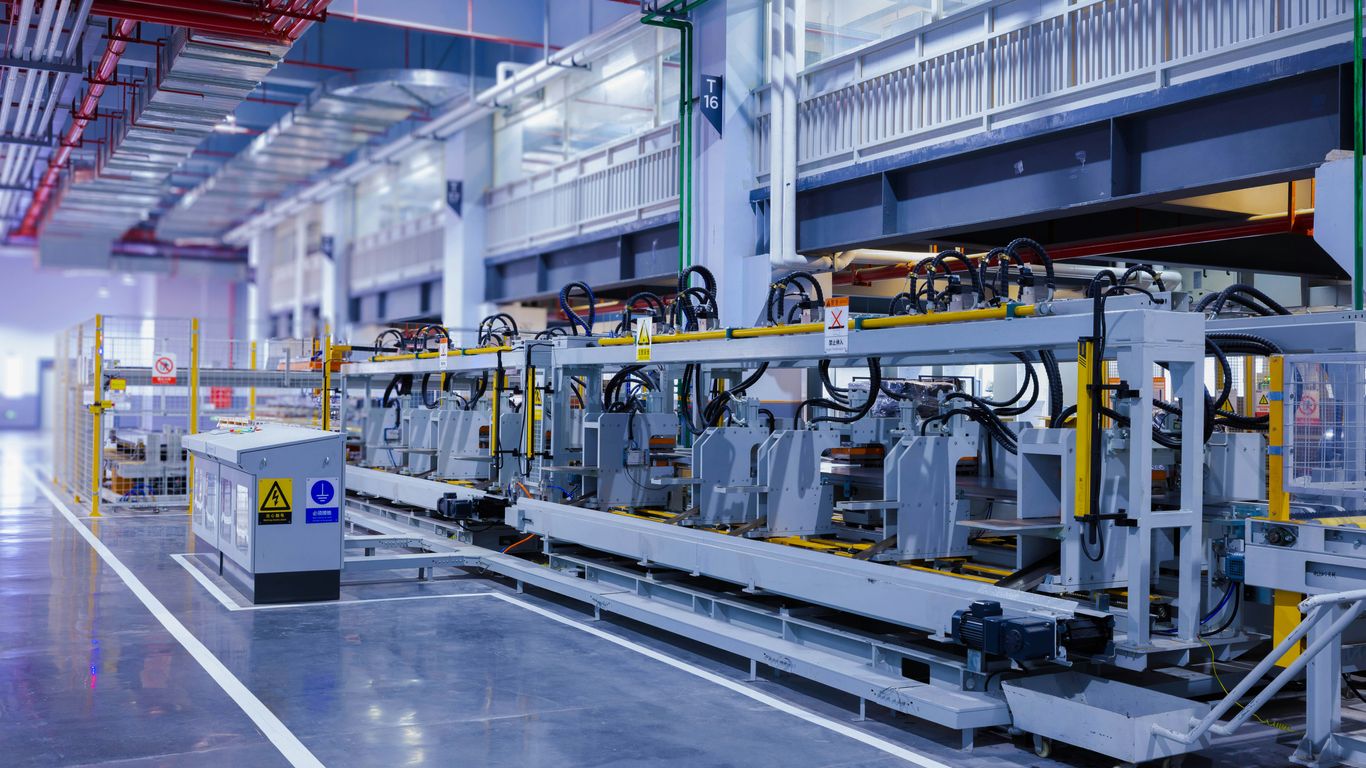
The manufacturing landscape is changing fast, and with it, the kind of jobs available. AI factories aren't just about new machines; they're about new skills and new career paths. This shift means we all need to think about how we can keep up and even get ahead.
Upskilling for AI-Complementary Roles
Forget the idea that AI will just replace everyone. Instead, think about how AI can work with people. Many new roles are popping up that require a mix of technical know-how and human skills. These jobs often involve managing, maintaining, or working alongside automated systems. It's about becoming the person who understands how the AI works, can troubleshoot when it gets stuck, or can use its insights to make better decisions.
Here are some areas where skills are becoming more important:
- AI System Supervision: Overseeing the performance of AI-driven machinery and making adjustments.
- Data Interpretation: Understanding the data that AI systems collect to improve production processes.
- Robotics Maintenance: Keeping advanced robots and automated equipment in good working order.
- Human-Machine Collaboration: Working effectively with AI and robots on the factory floor.
The key is to develop skills that complement AI, not compete with it. This might mean taking courses in areas like industrial automation, data analytics, or even advanced problem-solving. The goal is to become indispensable by working smarter, not just harder. For those looking to build these skills, exploring programs focused on Production Management can provide a solid foundation.
International Mobility and Career Advancement
As AI factories become more common globally, they also open doors for people to work in different countries. Companies looking for specific AI manufacturing skills might recruit talent from anywhere in the world. This creates a chance for individuals to gain international experience, learn new ways of working, and advance their careers on a global scale.
The rapid evolution of manufacturing means that adaptability is no longer just a buzzword; it's a requirement for staying relevant. Companies that embrace change and invest in their workforce will be the ones that thrive.
This global talent pool means that your skills could be in demand far beyond your home country. It's a big change from the past, where manufacturing jobs were often very localized. Now, with the right training and experience, you could find opportunities in places you never expected. This global outlook is something that many organizations are focusing on, as highlighted in reports on global human capital trends. For those aiming for international careers, having certifications that are recognized worldwide can make a big difference. We invite you to explore the EduGradus platform, which offers courses in 10 languages and provides international certification, helping you stand out in the global job market.
The world of manufacturing is changing fast with new machines and smart technology. Now is the perfect time to learn new skills and discover what you can do in this exciting field. Visit our website to see how you can get ready for the future of manufacturing work. Don't wait—take the first step today!
Looking Ahead: Your Place in the New Manufacturing Landscape
So, the world of manufacturing is changing, and fast. AI and new tech are opening doors we didn't even know existed. This means more chances for people everywhere to get involved, learn new skills, and maybe even move to a new country for work. Companies are looking for folks who can adapt and learn. Platforms like EduGradus can help you get those international certifications you need, all while being flexible and affordable. It’s a big shift, but it’s also a huge opportunity. Think about what skills you want to build next and how you can be part of this exciting future.
Frequently Asked Questions
What are AI Factories and why are they good for global talent?
AI Factories are modern factories that use smart technology like artificial intelligence (AI) and robots to make things. Because these factories are so advanced, they need skilled people from all over the world to help run them. This creates many job opportunities for talented individuals everywhere, allowing them to work in exciting new places and gain valuable experience.
Do I need to be an expert in AI to work in an AI Factory?
Not necessarily! While some jobs will need deep AI knowledge, many roles focus on working *with* AI and robots. Think of it like learning to use a new app on your phone. You'll learn how to operate the machines, manage the systems, and work alongside the AI. Learning new skills, or 'upskilling,' is key, and programs like EduGradus can help you get certified for these roles, making you a great candidate for international jobs.
Can AI Factories help me move to another country for work?
Absolutely! AI Factories are often part of big international companies. These companies are looking for the best talent no matter where you live. By getting international certifications and showing you have the skills needed for these advanced factories, you can open doors to working in different countries, experiencing new cultures, and advancing your career on a global scale.