

أتمتة المصانع: المهارات الأساسية التي تطلبها الشركات في عام 2026
The factory floor is changing, and fast. We're talking about Factory Automation, and it's not just about robots anymore. Companies are looking for people who can work with new tech, understand data, and solve problems in ways machines can't. If you want to stay relevant in manufacturing, especially looking towards 2026, you need to know what skills are hot. This isn't just about keeping your current job; it's about making sure you can move up and around in this evolving industry. Let's look at what skills companies really need today and what you can do to get them.
Key Takeaways
- AI and machine learning are becoming standard tools in manufacturing, making skills in these areas very important for Factory Automation. Being able to use and understand these technologies helps make operations run smoother and smarter.
- Data analysis and cloud computing are now vital for operational efficiency. Companies need people who can handle data to find patterns, improve processes, and make better decisions. Cloud skills help manage this information effectively.
- Human skills like critical thinking, problem-solving, and the ability to adapt are more important than ever. As automation handles routine tasks, people are needed for complex issues, innovation, and continuous learning in a fast-changing digital world.
Mastering Factory Automation: Essential Skills Companies Need Today
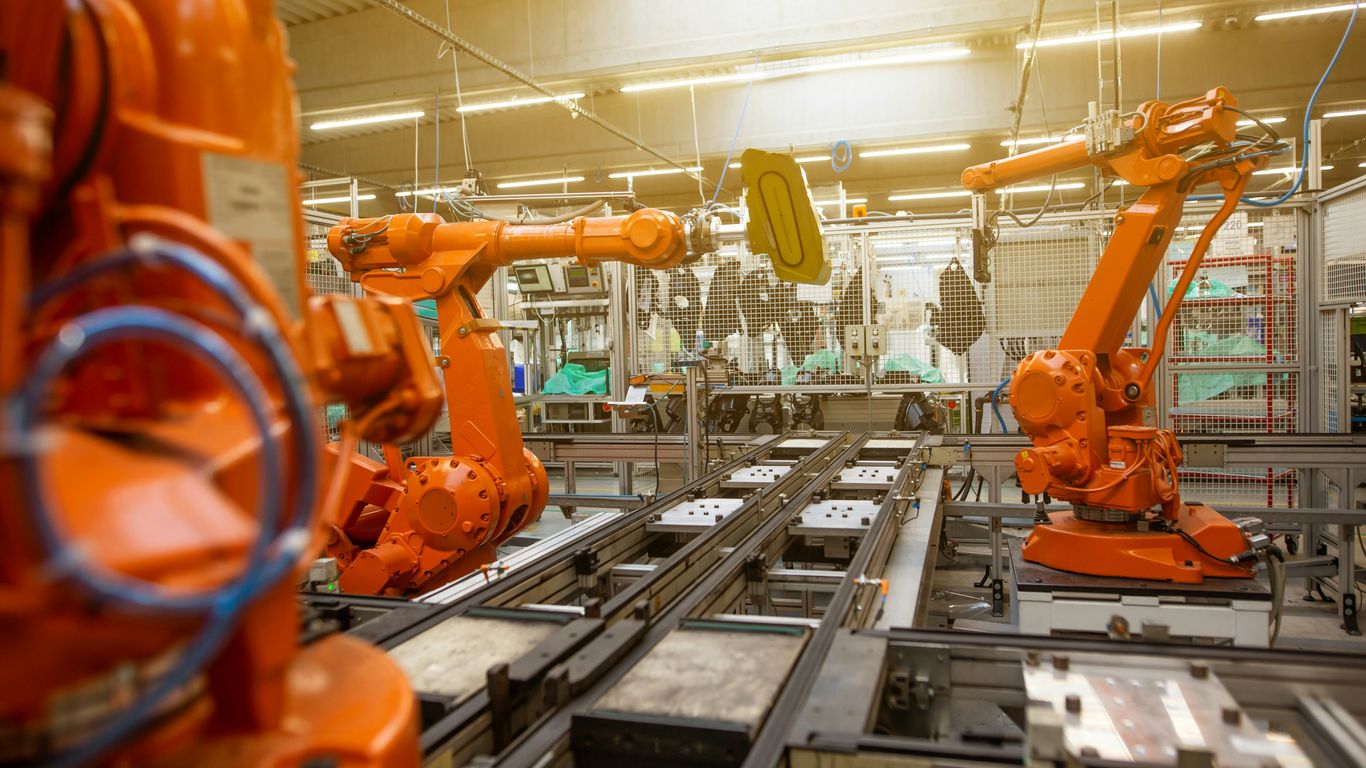
The factory floor is changing, and fast. Automation isn't just about robots anymore; it's about smart systems that learn and adapt. This means the skills needed are shifting too. Companies are looking for people who can work with these new technologies, not just operate them.
Artificial intelligence and machine learning are no longer futuristic concepts; they're practical tools being used right now to make factories run better. Think about predictive maintenance – AI can analyze sensor data to tell you when a machine is likely to break down before it happens. This saves a ton of money and downtime. Then there's quality control; AI-powered vision systems can spot defects far faster and more accurately than the human eye. It's about making processes smarter and more efficient.
- AI for Predictive Maintenance: Analyzing sensor data to anticipate equipment failure.
- Machine Learning for Quality Control: Using vision systems to detect product flaws.
- Optimizing Production Schedules: AI algorithms can adjust schedules in real-time based on material availability and demand.
To really get a handle on this, understanding the basics of how AI and ML work is becoming important. You don't need to be a programmer, but knowing what these tools can do and how to interact with them is key. It's about working alongside these intelligent systems. For those looking to get ahead, exploring resources on AI in manufacturing can provide a good starting point, like the discussions at events focused on emerging technologies [3129].
Data Analysis and Cloud Computing for Operational Efficiency
All these smart machines and systems generate a mountain of data. The real magic happens when you can actually use that data. That's where data analysis comes in. Being able to look at production numbers, identify trends, and figure out what they mean is a big deal. It helps pinpoint bottlenecks, understand customer demand better, and make informed decisions. Cloud computing plays a huge role here too, providing the infrastructure to store, process, and access all this information from anywhere.
The ability to interpret data and turn it into actionable insights is becoming a core requirement across many roles. It's not just for data scientists anymore; everyone needs a basic level of data literacy.
- Interpreting Production Metrics: Understanding KPIs like OEE (Overall Equipment Effectiveness).
- Identifying Process Improvements: Using data to find areas where efficiency can be boosted.
- Cloud Platform Familiarity: Understanding how data is stored and accessed in cloud environments.
Companies are investing in cloud infrastructure to support these data-driven operations. Being comfortable with how data flows and how to extract meaning from it will make you a more adaptable employee. This is where skills in data visualization tools become really useful, helping to make complex information easier to grasp. The focus is on making sense of the information generated by automated systems to drive better business outcomes.
Human-Centric Skills for the Automated Factory Floor
As factories get smarter with automation and AI, you might think technical skills are all that matter. But it's actually the opposite. The really important skills are the ones machines can't do – the human stuff. Think about it: when robots handle the repetitive tasks, what's left for people? It's the complex problems, the creative thinking, and how we all work together. New data shows that human skills are projected to be the top needs for 2026, even more than tech skills [f9d3].
Critical Thinking and Complex Problem-Solving
Machines are great at following instructions and crunching numbers, but they struggle with the messy, unpredictable parts of work. That's where critical thinking comes in. It's about looking at a situation, questioning what's going on, and figuring out the real issue, not just the surface one. When automation takes over routine analysis, our ability to handle ambiguity and come up with new solutions becomes way more valuable. It means understanding the bigger picture, not just executing a single step. For example, a marketing person might need to sort through conflicting data that an AI flagged, or an HR person might need to sort out a tricky team dynamic. These are the kinds of problems that automation amplifies, not replaces.
- Challenge your own assumptions: In your next project, jot down what you think is true at the start. Then, go back and question each point. Why do you believe it? What if it's not true?
- Look for root causes: When something goes wrong, don't just fix the symptom. Ask 'why' five times (or more) to get to the bottom of the problem.
- Consider different angles: Try explaining a problem to someone who knows nothing about it. Their questions might reveal new ways to look at it.
As machines handle structured work, the skills needed to frame problems, manage uncertainty, and make good judgments become incredibly important. These human abilities will be highly sought after.
Adaptability and Continuous Learning in a Digital Age
Workplaces are changing faster than ever. New tools pop up, job roles shift, and what was standard practice last year might be outdated today. Being adaptable means you can roll with these changes, learn new systems quickly, and adjust your approach without getting flustered. It’s about having a mindset that’s open to new things and seeing learning as a constant part of the job, not just something you did in school. Companies are looking for people who don't just stick to what they know but actively seek out new knowledge and skills. This is why continuous learning is so important for staying relevant [f5f2].
- Embrace new tools: When a new software or piece of equipment is introduced, volunteer to be one of the first to try it out.
- Seek varied tasks: Don't shy away from assignments that are a bit outside your usual responsibilities. This broadens your experience.
- Stay curious: Make it a habit to read industry news, follow thought leaders online, or take short online courses in areas related to your field.
To thrive in this evolving landscape, consider exploring platforms that offer diverse learning opportunities. For instance, EduGradus provides resources in 10 languages and offers international certification, helping you build these vital human-centric skills and stay ahead in your career.
As factories get smarter with automation, the skills people need are changing too. It's not just about operating machines anymore. We need workers who can think creatively, solve problems, and work well with others. These 'human-centric' skills are becoming super important for success on the factory floor. Want to learn more about how these skills can boost your career? Visit our website today!
Get Ready for What's Next
So, the world of work is definitely changing, and it's happening fast. It's not just about knowing how to use the latest software anymore. Companies are looking for people who can think smart, work with new tech like AI, and solve problems that pop up unexpectedly. Learning these new skills isn't just a good idea; it's how you stay relevant and keep your career moving forward. Start looking into courses or practice projects now, because the future workplace is already here, and it's looking for adaptable, skilled individuals.
Frequently Asked Questions
What are the most important new skills for factory jobs in 2026?
In 2026, factories will need people who understand how to work with smart machines and computers. This includes knowing about AI, which helps machines learn, and how to use data to make the factory run better. You'll also need to be good at solving tricky problems and be ready to learn new things all the time because technology changes fast.
Do I still need to know how to do physical tasks in an automated factory?
While machines will do a lot of the heavy lifting and repetitive work, humans are still super important. You'll need to be able to think critically, figure out why something isn't working right, and come up with solutions. It's more about managing and directing the technology, and using your brain to solve problems that machines can't.
How can I learn these new skills if I'm already working?
Many companies and online programs offer ways to learn these skills. Look for courses in areas like AI, data analysis, and problem-solving. Some programs offer flexible learning, like short online classes or hands-on projects, so you can learn while you keep your job. The key is to keep learning and practicing.