
Smart Factories: Unveiling the Most Hired New Profiles in 2026
In 2026, the job market in Smart Factories looks nothing like it did a few years ago. Companies are hiring for roles that didn’t even exist in 2024, and the push for international skills is stronger than ever. If you’re aiming to work abroad or want a job that lets you move between countries, knowing which profiles are most in demand is key. This article explores the most hired new profiles in Smart Factories Smart Factories: Most Hired New Profiles for professionals chasing global careers.
Key Takeaways
- AI Integration Specialists are now some of the most sought-after professionals in Smart Factories, especially for those with international certifications.
- Creative AI roles, like AI-Augmented Content Strategists, are opening doors for global mobility and new career paths in manufacturing.
- Data Governance and AI Ethics experts are in high demand, as companies look for professionals who can handle compliance across different countries.
AI Integration Specialists: Bridging Operations and Intelligence in Smart Factories
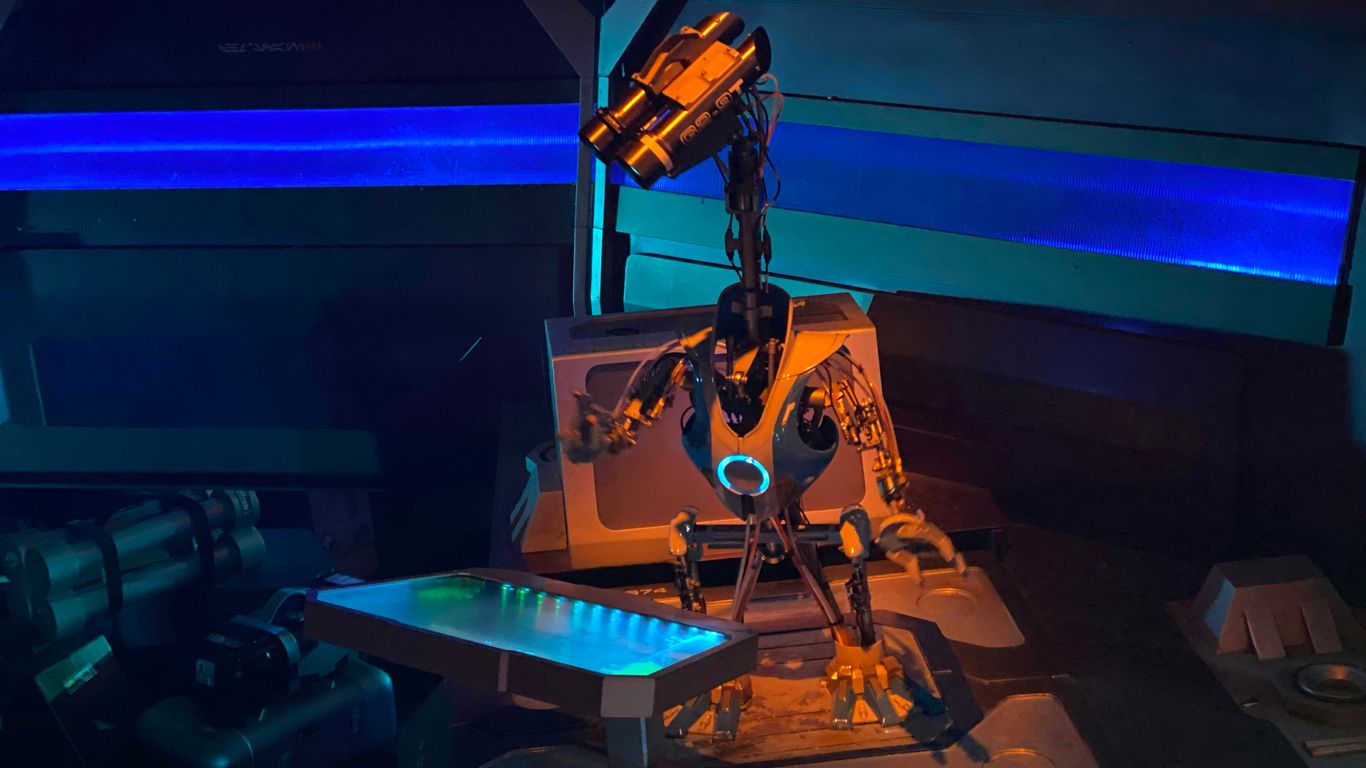
As 2026 keeps bringing surprises in manufacturing, one job you see everywhere now is the AI Integration Specialist. These folks don’t just pop into factories and program a few robots—they're the glue holding together messy old machines and the latest AI systems. That might sound simple, but trust me, it gets complicated fast.
Emergence of Hybrid Operations Roles
Factories aren’t what they used to be. Now, there’s always talk about connecting sensors, robots, and data dashboards with new AI tools. It's not enough to understand machinery anymore. The most hired profiles are people who know both the nuts-and-bolts of operations and the basics of AI algorithms.
More than ever, the most in-demand specialists in 2026 are those who understand how to embed smart algorithms into everyday factory routines.
Here are a few reasons these hybrid roles are exploding:
- Older factory tech rarely works well with AI out of the box—translation is always needed.
- Companies want real-time insights, not just more reports.
- AI rollouts fail if employees reject confusing change; people skills are vital.
- Security risks go up as factories connect more devices and systems.
- Rapid hiring growth in sectors like advanced manufacturing, driven by automation and AI upgrades (technology roles in demand).
Let’s look at a sketch of what these jobs actually involve:
| Job Task | Old Approach | AI-Integrated Approach |
|---|---|---|
| Data collection | Manual entry/readouts | Automated, real-time sensors |
| Maintenance | Scheduled, reactive | Predictive via AI forecasting |
| Reporting | Monthly or weekly summaries | Instant dashboards/alerts |
| Process updates | Slow, paperwork-heavy | Automated, quick adjustments |
The best integration specialists can spot which factory workflows are ready for an AI upgrade and which need a much lighter touch.
Key Competencies Employers Demand
The AI Integration Specialist must bring more than just technical know-how. They are part code-wrangler, part negotiator, and all-problem-solver. Companies are getting pickier with their checklists. Here's what employers are really after:
- Basic programming (Python, scripting for automation)
- Deep knowledge of industrial systems and IoT
- Ability to connect legacy hardware with cloud-based AI tools
- Data wrangling and understanding what data is really useful
- Communication: can they explain AI to a 30-year factory veteran?
- Security understanding, so integrated systems are safe
Salaries haven’t been this competitive in years. Mid-level integration specialists now earn between $130,000 and $180,000, while experienced pros open up paychecks over $200,000.
The industry is moving quickly, but the skill gap is still a big headache for most companies. With so many open jobs, people from different fields are encouraged to apply their talents in this evolving environment, even if they didn’t start out as engineers.
If you’re ready to join one of the fastest-growing fields or upskill for a tech-savvy future, explore EduGradus—the platform features courses in 10 languages and offers international certification. Don’t miss your chance to build a smarter career!
Creative AI Professionals in Smart Factories Smart Factories: Most Hired New Profiles
It’s not just about the engineers and data scientists anymore. The smart factory of 2026 is also seeing a surge in demand for creative minds who can work with AI. Think of it as a new kind of partnership, where human imagination meets machine intelligence to produce things we haven't even thought of yet. This is where the magic happens, turning raw data and algorithms into tangible results and compelling content.
AI-Augmented Content Strategists
These professionals are becoming super important. They know how to use AI tools to create marketing materials, product descriptions, and even internal training documents much faster than before. It's not about replacing writers or designers; it's about giving them superpowers. They can generate multiple versions of ad copy, visualize product concepts in seconds, or even draft entire user manuals, freeing up human creatives to focus on the bigger picture and the finer details that truly connect with an audience. The demand for these roles is growing fast, with some reports showing AI video generation and editing skills increasing by over 300% year-over-year. This means businesses can produce more content, faster and cheaper, without sacrificing quality.
- Key Responsibilities:
- Developing AI-driven content strategies.
- Prompt engineering for creative asset generation.
- Editing and refining AI-generated content for brand voice and accuracy.
- Managing AI content workflows and tools.
- Analyzing content performance to optimize AI outputs.
Transforming Manufacturing with AI Creativity
Beyond content, AI is also changing how we approach design and problem-solving in manufacturing. Imagine using AI to explore thousands of product design variations in minutes, or to simulate complex assembly processes to find inefficiencies before they happen. This isn't science fiction; it's happening now. AI can help identify novel material combinations or suggest entirely new product features based on market trends and customer feedback.
The integration of AI into creative processes within smart factories is not merely about automation; it's about augmentation. It allows human ingenuity to be amplified, leading to faster innovation cycles and the development of more sophisticated and personalized products. This synergy is reshaping traditional roles and creating entirely new career paths.
For those looking to be at the forefront of this shift, exploring platforms that offer training in these emerging fields is a smart move. Consider exploring the EduGradus platform, which highlights its 10 available languages and international certification, providing a solid foundation for a career in smart factories and AI. The landscape of jobs is changing, and roles like AI Engineers are seeing explosive growth, with job postings increasing by over 140% in the US. This indicates a significant shift towards AI-integrated work environments across various industries.
The future of smart factories relies on this blend of technical skill and creative thinking. It's about making AI work for us, not just instead of us. This collaborative approach is what will drive the next wave of innovation and efficiency in manufacturing and beyond.
Data Governance and AI Ethics: Safeguarding the Future of Smart Factories
As smart factories keep scaling up with new tech, making sure data is handled the right way—and AI follows the rules—is not just smart; it's non-negotiable for 2026. From strict privacy laws to concerns about how AI systems make decisions, hiring for these roles has surged. These new professionals are at the center of manufacturing’s digital shift, making sure things don’t spiral out of control, even as data grows faster than ever before.
Rise of AI Data Governance Managers
Walk into any leading smart factory these days and you’ll notice a new presence: AI Data Governance Managers. They’re not just another IT role—they sit between the engineers, legal folks, and business leaders, connecting the dots to keep things running smoothly and safely.
- They set the rules for who accesses data, so only the right folks see what they need.
- They keep an eye on data quality, catching errors before they turn into expensive headaches.
- They help factories stay on track with privacy rules, like what the EU and other regulators demand.
- With manufacturing data management projected to top $46 billion this year, their impact is huge.
| Year | Data Governance Market Size* |
|---|---|
| 2026 | $46 billion |
| 2031 | $184 billion |
*Projected global values.
Keeping things organized might not sound exciting at first—but if you’ve ever tried to untangle a giant mess of old files, you know: clear data rules save everyone time, stress, and money in the long run.
AI Ethics and Compliance in Industrial Environments
There’s a new urgency around ethical, legal, and bias-free AI in factories, mostly because regulators are finally catching up.
- Factories now face real consequences: bias incidents can mean millions in legal costs and major reputation hits.
- The push toward AI ethics boards: by the end of 2026, around 60% of big companies are expected to have formal groups reviewing their AI use.
- Roles like AI Compliance Officer or Ethics Consultant have grown by 45% year-over-year, offering new pathways for lawyers, compliance pros, and policy specialists.
- Pay is competitive, with many earning $130,000–$180,000 and up to $200,000 for those who know both law and tech.
A quick checklist for ethical AI in factories:
- Always review training data for errors or unintentional bias.
- Set up clear policies about AI’s limits—machines shouldn’t decide sensitive things alone.
- Stay on top of changing laws, especially if you operate globally.
If you’re exploring career growth in smart factories, precision hiring in AI and data is opening doors for adaptable, people-focused candidates.
Ready to upskill? Dive into EduGradus—available in 10 languages, with international certification—your gateway to the most in-demand smart factory roles of 2026.
Making smart factories work safely means we need to be smart about our data and how we use AI. It's like having rules for a super-powered robot – we want it to do amazing things, but we also need to make sure it's fair and doesn't make mistakes. This is all about Data Governance and AI Ethics: Safeguarding the Future of Smart Factories. Want to learn more about keeping your factory's future secure and smart? Visit our website today!
Conclusion: The Future of Smart Factory Careers Is Wide Open
Looking at how fast things are changing in smart factories, it’s clear that the job market in 2026 is nothing like it was just a few years ago. Roles that barely existed before—like AI Integration Specialist or Data Annotator—are now everywhere. At the same time, companies are letting go of traditional positions and hiring for new ones at record speed. It’s a weird mix of opportunity and uncertainty, but one thing is obvious: the people who keep learning and adapting are the ones who’ll land the best jobs.
If you’re aiming for an international career or want to work in a global company, now’s the time to focus on skills that travel well—think AI, automation, and digital production. Programs like EduGradus can help you get internationally recognized certifications, which really matter if you’re planning to move between countries or industries. The world of work is getting more connected, and the best jobs are going to those who can prove their skills anywhere.
So, whether you’re just starting out or thinking about a big career move, don’t wait. The smart factory revolution isn’t slowing down, and the most in-demand roles are still being invented. Stay curious, keep upskilling, and get ready to take your career global. The future’s wide open—go for it.
Frequently Asked Questions
What kind of new jobs are appearing in smart factories?
Smart factories are creating exciting new jobs! Think of people who help machines and computers work together smoothly, like 'AI Integration Specialists.' Others are using AI to be more creative, such as 'AI-Augmented Content Strategists' who make cool marketing stuff. We also need folks who make sure AI is used safely and fairly, called 'Data Governance and AI Ethics' experts.
Why are these new jobs important for smart factories?
These new roles are super important because they help factories run better and smarter. AI Integration Specialists make sure all the new technology talks to each other. Creative AI Pros help come up with new ideas and make things look good. And the Ethics experts make sure everything is fair and safe for everyone. They are the key to making factories work well with all the new tech.
Do I need to be a computer whiz to get one of these jobs?
Not always! While some jobs need deep tech skills, many roles focus on how to *use* AI in different areas. For example, an AI-Augmented Content Strategist needs good creative ideas and knows how to use AI tools to make them happen. It's often about combining your existing skills with new AI knowledge. Learning how to work *with* AI is becoming more important than just knowing how to code it.