
Navigating the future of work: how AI affects foreigners in the global labor market
Key Takeaways
Navigating the global job market requires adaptation to new technologies and a strategic approach to professional development. The intersection of artificial intelligence and workforce mobility is changing how foreign professionals compete, learn, and collaborate across borders.
- Real-time language tools dismantle traditional barriers to international communication.
- Strategic skill validation through certification is vital for global career mobility.
- AI-driven workflows assist in managing cross-border, asynchronous project environments.
- Fair AI recruitment relies on understanding algorithmic assessment and profile optimization.
- Global career strategies now require integrating automated tools for visa and local documentation management.
The shifting landscape of international professional mobility
The modern workforce no longer respects geographic boundaries, allowing professionals to seek opportunities far from their home countries. This transition towards borderless careers creates a dynamic but competitive environment. Understanding the Future Work Future of Work: How AI Affects Foreigners is essential for any professional looking to stand out globally.

How localization tools remove language barriers
Communication barriers often dictated where a professional could work, but modern software is rapidly changing these limitations. Automated translation interfaces now allow team members to contribute effectively even when they do not share a native language. By reducing misinterpretations through accurate, context-aware translation, these tools foster a more inclusive international workplace.
Shifting requirements for non-native English speakers
While English remains a standard for global business, the focus is shifting toward practical output rather than perfect linguistics. Employers are prioritizing clear, efficient delivery and cultural contextual understanding over flawless syntax. This change empowers skilled migrants to focus on their technical expertise while using supporting tools to ensure their written output meets professional standards.
Leveraging international certifications like EduGradus for competitive advantage
Securing reputable certification is one of the most effective ways to signal competence to prospective employers in different jurisdictions. EduGradus offers versatile pathways that help professionals gain recognized international qualifications, bridging the gap between local training and global standards. By focusing on measurable outcomes, these certifications provide recruiters with a standardized method for assessing talent from diverse educational backgrounds.
| Certification Type | Focus Area | Credibility Level |
|---|---|---|
| Global Business Core | Strategy and Operations | High |
| Tech Technician Pro | Software and Development | High |
| Language Proficiency | Cross-Cultural Communication | Moderate |
The table above showcases how different certifications help professionals build a robust international profile. Professionals who prioritize these credentials gain a significant advantage in international hiring assessments.
AI as a catalyst for cross-border collaboration
The ability to bridge time zones and cultural gaps is the hallmark of a successful global professional. Artificial intelligence serves as the infrastructure that enables seamless interaction across scattered teams. Leveraging AI impact analysis helps professionals understand how these shifts change daily responsibilities.

The role of real-time translation in global teams
Real-time translation removes the latency and friction that once stalled collaborative projects. Technologies capable of handling technical terminology allow for synchronous meetings where every participant can engage in their preferred language. This capability increases the velocity of problem-solving within multinational teams by ensuring that complex ideas remain precise through translation cycles.
Managing asynchronous communication across time zones
Working across multiple time zones demands a high degree of autonomy and the effective use of shared workspaces. Tools that synthesize meeting transcriptions and automatically draft follow-up items allow team members to remain aligned without needing to be online simultaneously. This approach respects individual work-life balance while maintaining project momentum.
Developing cultural intelligence in the age of automated workflows
While automated workflows handle logistics, human cultural intelligence remains arguably more critical today. Professionals must consciously develop the ability to interpret non-verbal cues and cultural norms that algorithms might ignore. By balancing automated efficiency with deep human insight, workers remain highly valuable in roles requiring high-level negotiation or management.
- Cultivate active listening during meetings.
- Research local business etiquette before engagement.
- Use AI-driven training to simulate cultural scenarios.
- Prioritize empathy in professional digital interactions.
These practices round out the utility of AI tools by ensuring that the person in the role remains central to the success of the project.
Skills acquisition for the global workforce
Continuous learning is no longer a luxury but a fundamental requirement for anyone building an international career. Developing the right technical foundation is the first step toward long-term stability. Understanding the AI job market trends ensures that your professional development stays aligned with actual industrial growth.

Identifying high-demand technical and soft skills
Technical proficiency in tools like Zoho CRM is becoming highly sought after as companies seek to digitize their operations. Alongside technical mastery, employers highly value soft skills like adaptive leadership and critical thinking. The combination of these two pillars—technical rigor and cognitive flexibility—defines the most competitive candidates in the global pool.
How EduGradus offers flexible learning paths for busy professionals
EduGradus meets the specific needs of modern workers who require high-quality education without sacrificing their existing commitments. Their platform provides structured learning paths that adapt to your schedule, allowing for steady professional development. With access to training in 10 different languages, users can acquire internationally recognized certification that proves their capability to future employers regardless of where they reside.
Staying ahead through continuous international qualification
Maintaining a trajectory of growth requires periodic verification of one's skills. Investing in ongoing certification prevents skill decay and signals long-term commitment to professional excellence. Educators and certification bodies who offer stackable credits provide a clear roadmap for career advancement within international markets.
Mitigating bias and ensuring fair assessment in recruitment
Global remote recruitment creates opportunities for many but also introduces concerns regarding automated filter bias. Navigating this environment often requires a proactive strategy to ensure that your experience is accurately interpreted by digital systems. Resources describing the AI occupational impact can assist in understanding these systemic shifts.
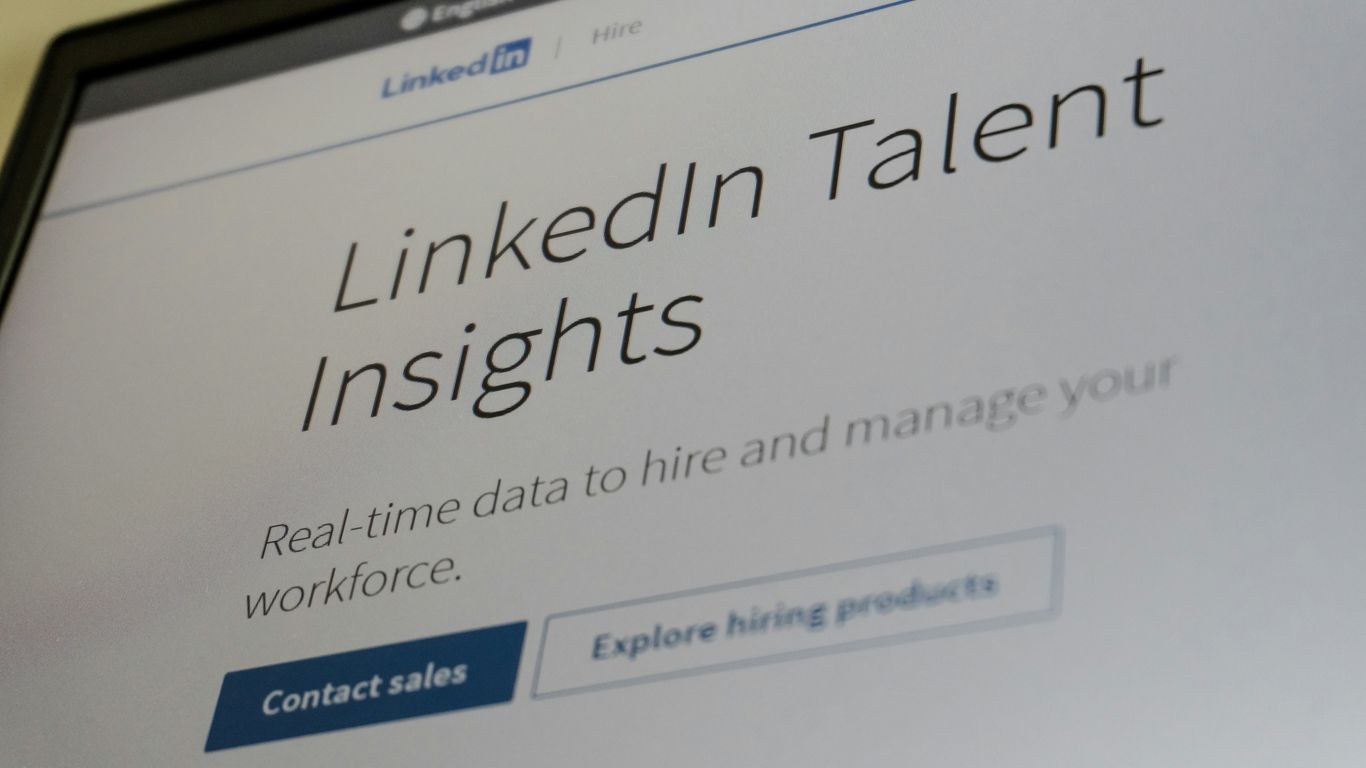
How AI screening impacts foreign applicant profiles
AI screening systems often prioritize specific keywords and standardized formatting, which can unintentionally disadvantage international applicants. Knowing how to present your unique experience through standard structures can significantly improve your chances of passing initial automated reviews. It is essential to understand that these systems look for clear evidence of capability matches, not just experience lists.
Best practices for optimizing resumes for international ATS
Optimizing for Applicant Tracking Systems involves using machine-readable formats and precise terminology that matches job descriptions closely. This Microsoft AI transformation guide can offer secondary perspectives on how enterprises organize their data, which can inform how you structure your own professional summary. By ensuring that your data is cleanly presented, you minimize the risk that a screening system fails to parse your qualifications.
Navigating remote hiring processes in multinational organizations
Remote hiring processes require clear verification of documentation and identity throughout the journey. Beyond the interview, candidates should prepare for a digitised onboarding phase that often includes self-service portals and automated background checks. Early preparation in this phase shows recruiters that you are comfortable operating in a modern, automated, and remote environment.
Integrating AI into your global career strategy
Integrating AI into one's career strategy means more than just using tools; it means operationalizing them to save time and scale success. This video production and strategy overview serves as a practical lesson on how AI can augment existing tasks rather than replace them. Developing this mindset allows you to focus on the high-level decision-making that drives revenue growth.
Using AI to streamline visa and documentation processes
Managing immigration and cross-border paperwork often involves tedious manual tasks that are prime for automation. Specialized tools can help organize required documentation, track deadlines, and monitor changes in local compliance laws. By automating these essential functions, professionals reduce the administrative burden of moving between countries.
Enhancing your remote work versatility with AI tools
Versatility in remote work means having a suite of tools for project management, data analysis, and video output that are accessible from anywhere. These tools enable a consistent level of performance regardless of your location. Mastering these applications is a core competence that demonstrates professional independence.
Scaling your professional value with EduGradus subscription benefits
Explore the EduGradus platform today to enhance your international reach. With a subscription that provides access to comprehensive courses in 10 languages, you are not just studying a topic; you are gaining an international certification that opens doors to competitive markets worldwide. Utilizing these benefits ensures that your professional value remains high as you navigate the changing landscape of global work.
Conclusion
Successfully managing a global career in the age of artificial intelligence requires both technical adaptability and a proactive approach to skill validation. By understanding how to work alongside automated systems, leveraging flexible certifications, and maintaining clear communication, displaced professionals can transform these challenges into opportunities for substantial growth. Staying mindful of global standards and continuously updating your toolkit will remain the primary drivers of long-term professional success.
Frequently Asked Questions
How does AI affect job security for workers living abroad?
AI impact is typically task-specific, meaning that while some parts of a job may be automated, roles often shift in focus rather than disappearing. Professionals who can manage these tools often see their productivity and value in international teams increase.
what are the best ways to keep my skills updated globally?
Continuous learning through internationally recognized platforms is the most reliable method. Focusing on certifications that are recognized across multiple regions ensures that your hard work translates well when you transition between different labor markets.
Are there specific certifications that help with international migration?
Yes, certifications that align with global industry standards in tech, business, and data analysis are highly valued. These credentials act as a universal language for recruiters who may not be familiar with your local educational systems.
How can I make my skills match what international employers want?
Researching skills gaps in target markets and aligning your certifications with these needs is vital. Many professionals focus on tech and management skills that are universally needed in remote-friendly, multinational companies.
Should I worry about language barriers in remote international work?
While language remains a factor, the rise of advanced translation software means that technical proficiency and clear communication styles are now more prized than native-level fluency. Focusing on clarity and cross-cultural intelligence is often a better career path.
How can I ensure my resume passes automated hiring systems?
Focus on using clean, standard document formats and mirroring the language used in specific job postings. Keeping your skill section precise and easy for scanners to process will help ensure your profile is seen by human recruiters.
What soft skills are most important for global teams?
Adaptability, cross-cultural empathy, and asynchronous communication proficiency are the essential soft skills. They allow you to collaborate effectively without the need for constant, real-time presence, making you a more effective remote team member.