
Logistics Work: Fueling Growth in a Strategic Sector
For a long time, moving stuff around was just seen as a necessary cost of doing business. Companies focused on cutting expenses, like getting cheaper shipping rates. But things have really changed. Now, how you handle your goods is a major way to get ahead of the competition. Customers expect things fast, and businesses that can deliver quickly are seeing big wins. If your logistics aren't up to par, you could be losing out to others who are making it a priority. It’s time to rethink how logistics work | Logistics work Grow in a strategic sector.
Key Takeaways
- Logistics has moved from being just a cost to a key player in business growth, driven by customer demands for speed and reliability.
- Using technology and smart planning helps businesses optimize their operations and prepare their workforce for modern challenges.
- Adapting to global changes and using data are vital for staying competitive in today's supply chain environment.
Logistics Work: From Cost Center To Growth Engine

For a long time, logistics was just something that happened in the background. It was a necessary expense, sure, but not really a part of how a company grew. The main goal was always to spend less money – think getting better deals on shipping or cutting down warehouse costs. But things have really changed. Now, how you handle your logistics can be one of the biggest reasons customers choose you, especially in retail and online shopping.
The Evolution of Logistics Strategy
Think back a few years, and logistics was mostly about keeping costs down. The idea was simple: move goods from point A to point B as cheaply as possible. However, customer expectations have completely flipped the script. Today, people want their online orders now. A report from a few years back showed that a huge number of shoppers expect their items the same day or the next day. If delivery takes too long, they just leave their cart. This means that how quickly and reliably you get products to people has become a direct way to make more sales. Companies that don't get this are going to fall behind, not just to the big online players, but to any competitor that sees logistics as a key part of the customer experience. The companies that get this right are turning their logistics operations from a simple expense into a real advantage.
Customer Expectations Driving Fulfillment
It's not just about speed anymore, though that's a big part of it. Customers also want options. They want to pick delivery times that work for them, get updates so they know where their package is, and sometimes, they even care about how eco-friendly the delivery process is. Meeting these demands means logistics has to be smarter and more flexible. It's about more than just moving boxes; it's about creating a positive experience that keeps customers coming back. If your logistics can't keep up with what people expect, you're going to lose business. It’s a simple but powerful truth: good fulfillment builds loyalty. For instance, businesses that have gotten better at delivering faster have seen a noticeable jump in how many people actually complete their purchases. And customers who get their orders quickly? They're much more likely to buy from you again. This shift means that the way you manage returns, often called reverse logistics, can also become a way to gain an edge, rather than just being a cost to manage.
The old way of thinking about logistics as just a necessary cost is long gone. Today, it's a critical part of how businesses compete and grow. Getting products to customers quickly, reliably, and with a good experience is now a major factor in customer loyalty and repeat business. This focus on the customer experience through efficient fulfillment is what separates successful companies from those that struggle.
To really make your logistics work for you, it's important to look at how you can improve your processes. This includes things like making sure you have the right amount of stock, using technology to make things run smoother, and making sure your team is well-trained. It's a whole system, and when it works well, it directly helps the business grow. Exploring platforms like EduGradus, which offers courses in 10 languages and international certification, can help your team gain the skills needed to manage these complex logistics operations effectively. convide a explorar a plataforma EduGradus, destacando os 10 idiomas disponíveis e a certificação internacional.
Strategic Logistics Planning For Sustainable Growth
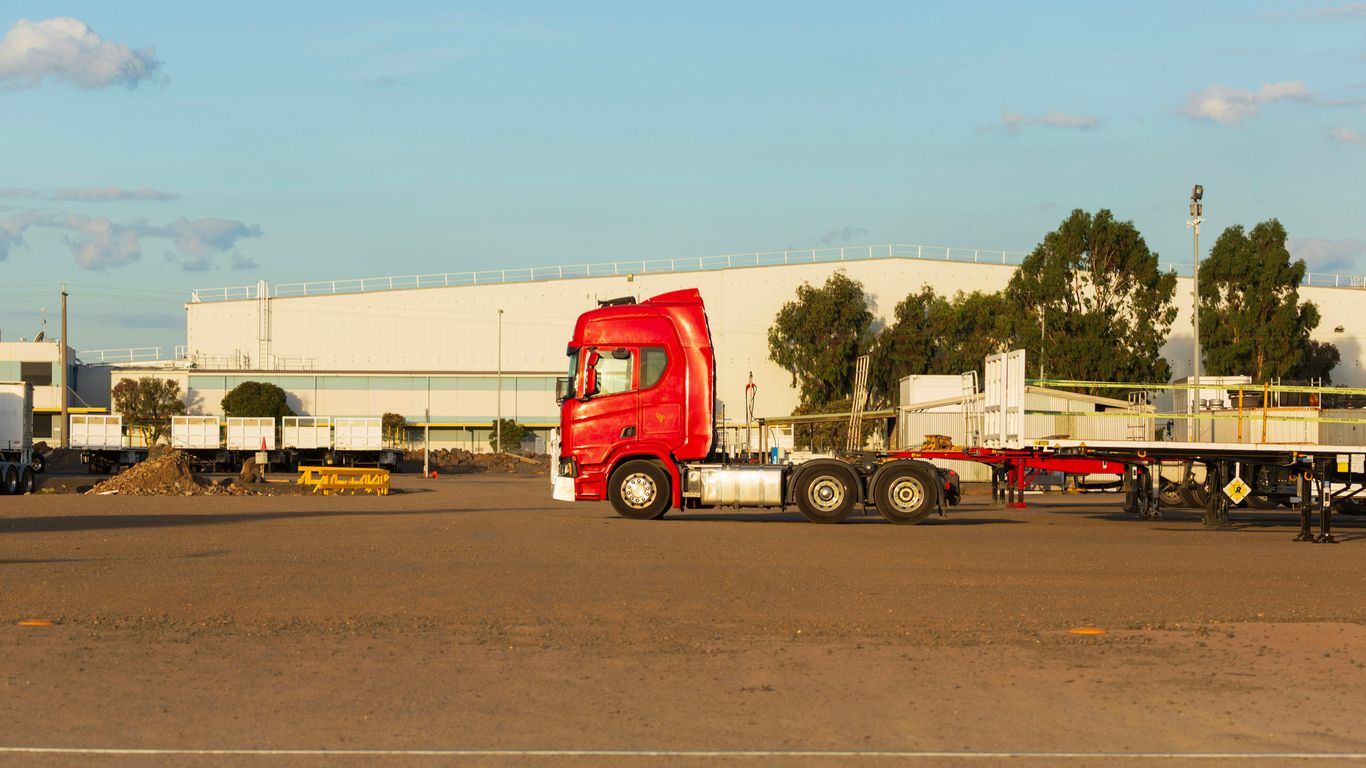
Thinking about how to make your business grow long-term? It's not just about selling more stuff. You also need to figure out how to get that stuff to people efficiently and without breaking the bank. That's where smart logistics planning comes in. It's about making sure everything from storing your products to shipping them out works like a well-oiled machine. This kind of planning helps you avoid problems before they even start, which is way better than trying to fix things when they're already a mess.
Optimizing Operations Through Technology
Let's be real, technology has changed everything, and logistics is no exception. Using the right tools can make a huge difference in how smoothly things run. Think about it: instead of manually tracking every single package, you can have software do it for you. This frees up your team to focus on more important tasks. Plus, having real-time data means you can spot issues, like a shipment being delayed, much faster. This allows you to react quickly and keep your customers happy.
Here are a few ways tech can help:
- Route Optimization: Software can figure out the best way to get your products from point A to point B, saving time and fuel.
- Inventory Management Systems: These systems help you know exactly what you have and where it is, so you don't run out of popular items or end up with too much of something nobody wants.
- Warehouse Automation: Robots and automated systems can speed up tasks like picking and packing orders, reducing errors and increasing speed.
Implementing advanced logistics management software is key to streamlining operations and gaining better control. This software integrates various parts of your business, giving you a clear picture of what's happening across your entire supply chain. It's like having a dashboard for your business, showing you exactly where things stand and helping you make smarter choices. This kind of visibility is super important for making sure your logistics network effectively balances competing demands.
Enhancing Workforce Capabilities
It's easy to get caught up in the tech side of things, but let's not forget about the people. Your team is the backbone of your logistics operation. Investing in their skills and knowledge pays off big time. When your employees know what they're doing, they're more efficient, make fewer mistakes, and can handle unexpected situations better. This means happier customers and a smoother operation overall.
Consider these points for your team:
- Training Programs: Offer regular training on new technologies, safety procedures, and customer service skills.
- Clear Communication Channels: Make sure everyone knows who to talk to and how to report issues or share ideas.
- Performance Feedback: Provide constructive feedback to help employees grow and improve.
A well-trained and motivated workforce is just as important as the latest technology. They are the ones who make the systems work and interact with your customers. Focusing on their development builds a stronger, more adaptable team ready for any challenge.
By combining smart technology with a skilled team, you're setting your business up for steady, sustainable growth. It's about building a logistics operation that not only meets today's needs but is also ready for whatever tomorrow brings. This approach also helps in adopting environmentally friendly practices within the supply chain, which is becoming increasingly important for customers and the planet.
Navigating Modern Supply Chain Challenges
Adapting To Global Disruptions
The last few years have really shown us how easily things can get messed up in the supply chain. It's not just about a single problem anymore; it's like a whole new normal where disruptions are just part of the game. We've seen everything from global events to local issues throw a wrench in the works, affecting everything from getting raw materials to shipping finished products. This means businesses can't just sit back and hope for the best. They need to be ready for anything.
Companies that build stronger ties with various suppliers are better positioned to handle unexpected problems. It’s also smart to have backup plans in place for when things go sideways. Thinking ahead, using tools that can predict potential issues, and adjusting your logistics plan before a problem even hits can make a huge difference. This proactive approach helps keep things moving, even when the unexpected happens. It's all about building a supply chain that can bend without breaking.
We're seeing a big shift where companies are realizing they need to rethink where things come from and how they move. This might mean changing up where factories are located or how goods are transported. It's a complex puzzle, but getting it right means your business can keep growing, no matter what's going on in the world. For businesses looking to get a handle on these complexities, exploring solutions that offer better supply chain visibility is a good start.
Leveraging Analytics For Competitive Advantage
It's pretty common for businesses to struggle with getting a clear picture of their entire supply chain. Data is often scattered across different systems, making it tough to see what's really going on from start to finish. This lack of a complete view means leaders might not have all the information they need to make the best calls.
Many companies spend a lot of time and money on new tech, but they forget to actually change how they do things from the ground up. You need to look at the whole picture – how sales, finance, and operations all connect. Understanding how your supply chain impacts the rest of the business is key.
Here’s how analytics can help:
- Spotting Trends: Use data to predict demand more accurately, so you don't end up with too much or too little stock.
- Cutting Costs: Find out where money is being wasted, whether it's in transportation, warehousing, or inventory management.
- Improving Speed: Figure out how to get products to customers faster and more reliably.
- Boosting Resilience: Identify weak spots in your network and plan for how to fix them if a disruption occurs.
The goal is to move beyond just reacting to problems. By using data smartly, businesses can get ahead of issues, make better decisions, and ultimately gain an edge over competitors. It's about turning information into action that drives real results and supports long-term growth.
By focusing on these areas, companies can build a more efficient and responsive supply chain. This not only helps manage current challenges but also sets the stage for future success. Ready to explore how advanced logistics can transform your business? We invite you to discover the EduGradus platform, where you can master logistics in 10 languages and earn international certification.
Dealing with today's tricky supply chain issues can be tough. Things change fast, and it's hard to keep up. But don't worry, there are ways to get through it. We can help you figure out the best moves for your business. Want to learn more about making your supply chain stronger? Visit our website today!
Looking Ahead: Logistics as Your Growth Engine
So, we've talked a lot about how logistics isn't just about moving stuff anymore. It's really become a key part of how businesses grow and keep customers happy. Thinking about your supply chain, from how you handle inventory to getting products out the door, can make a big difference. By paying attention to what customers want and using smart planning, you can turn your logistics into something that really helps your business succeed. It’s about making things work better, so your company can keep moving forward.
Frequently Asked Questions
What is logistics, and why is it important for businesses?
Logistics is all about moving things from where they are made to where people need them. Think of it like the circulatory system for a business. It includes storing items, packing them, and shipping them out. Good logistics helps companies save money, keep customers happy, and grow their business by making sure products get to people on time and without problems.
How has the role of logistics changed over time?
In the past, businesses mostly saw logistics as a way to save money. They focused on cutting costs for shipping and storage. But now, it's become a key way to attract and keep customers. With people expecting faster deliveries, companies that have great logistics can stand out and even make more sales. It's gone from being a background task to a main part of how a business succeeds.
What are some modern challenges in logistics, and how can businesses handle them?
Today's logistics world faces many challenges, like unexpected global events (like pandemics or natural disasters) that can mess up shipping routes, and the need to use new technology like AI and automation. Businesses can handle these by being flexible, using smart tools to track goods and predict what customers will want, and by making sure their workers have the right skills. Planning ahead and being ready to change are super important.