
Life Brazil: How Workers Truly Experience Life in Brazil
Thinking about working in Brazil? It's a big country with lots to offer, but like anywhere, there are things you should know before you pack your bags. This guide, 'Life Brazil | Life Brazil How workers really live,' is here to give you a clearer picture of what it's like on the ground. We'll look at the different cities, how people work, and what you need to sort out before you start. It’s about getting a real sense of daily life and work for professionals there.
Key Takeaways
- Brazil offers diverse city options, from the bustling hubs of São Paulo and Rio de Janeiro to the calmer environments of Brasília and Curitiba, each with its own lifestyle and opportunities.
- Understanding Brazilian work culture means recognizing the importance of personal relationships and established hierarchies, alongside adapting to communication styles that often lean towards informal platforms like WhatsApp.
- For those considering a move, it's important to be aware of employment laws, including benefits and leave policies, and to secure the correct visas and work permits, especially for expats.
Navigating Brazil's Diverse Urban Landscapes

Brazil is a huge country, and its cities are incredibly different from one another. Where you choose to live and work can really change your experience. It's not just about the big names; there are quieter spots too, each with its own vibe and opportunities.
The Allure of São Paulo and Rio de Janeiro
When most people think of Brazil, São Paulo and Rio de Janeiro probably come to mind first. São Paulo is the economic powerhouse, a massive metropolis that never sleeps. It's got a fast pace, tons of job openings, and endless networking possibilities. But honestly, it can be a bit much for some – it's one of the most crowded places you'll ever see. On the flip side, Rio de Janeiro offers that iconic Brazilian beauty with its stunning beaches and lively atmosphere. It's a bit more relaxed than São Paulo, but still very much a big city with millions of people. If you love being outdoors, enjoy a vibrant nightlife, and want to connect with a well-established expat community, Rio might be your spot. Work is definitely available here for international folks too.
Choosing the right city is a big decision. It affects everything from your daily commute to your social life and career prospects. Take some time to research what each place really offers.
Brasília and Curitiba: Quieter Alternatives
If the sheer scale of São Paulo or Rio feels a bit overwhelming, there are other great options. Brasília, the capital, has a unique look with its planned architecture and offers a much calmer lifestyle. It attracts expats working in government or non-profit sectors. Then there's Curitiba, down in the south. It's much smaller, with a pleasant climate year-round. People often call it Brazil's sustainability capital, and it's known for its parks and focus on education. It's a good choice if you're looking for a more tranquil urban setting, maybe even for remote work. Integrating these communities into urban policy is key for resilient cities, and organizations are working to improve living conditions and ensure inclusion in urban development, like those initiatives supporting peripheral communities.
Thinking about your career in Brazil? Exploring different cities is just the first step. For those looking to expand their professional horizons, consider the diverse learning opportunities available, such as internationally recognized courses like the one in Microbiology, which can be a great addition to your resume.
Understanding Brazilian Work Culture
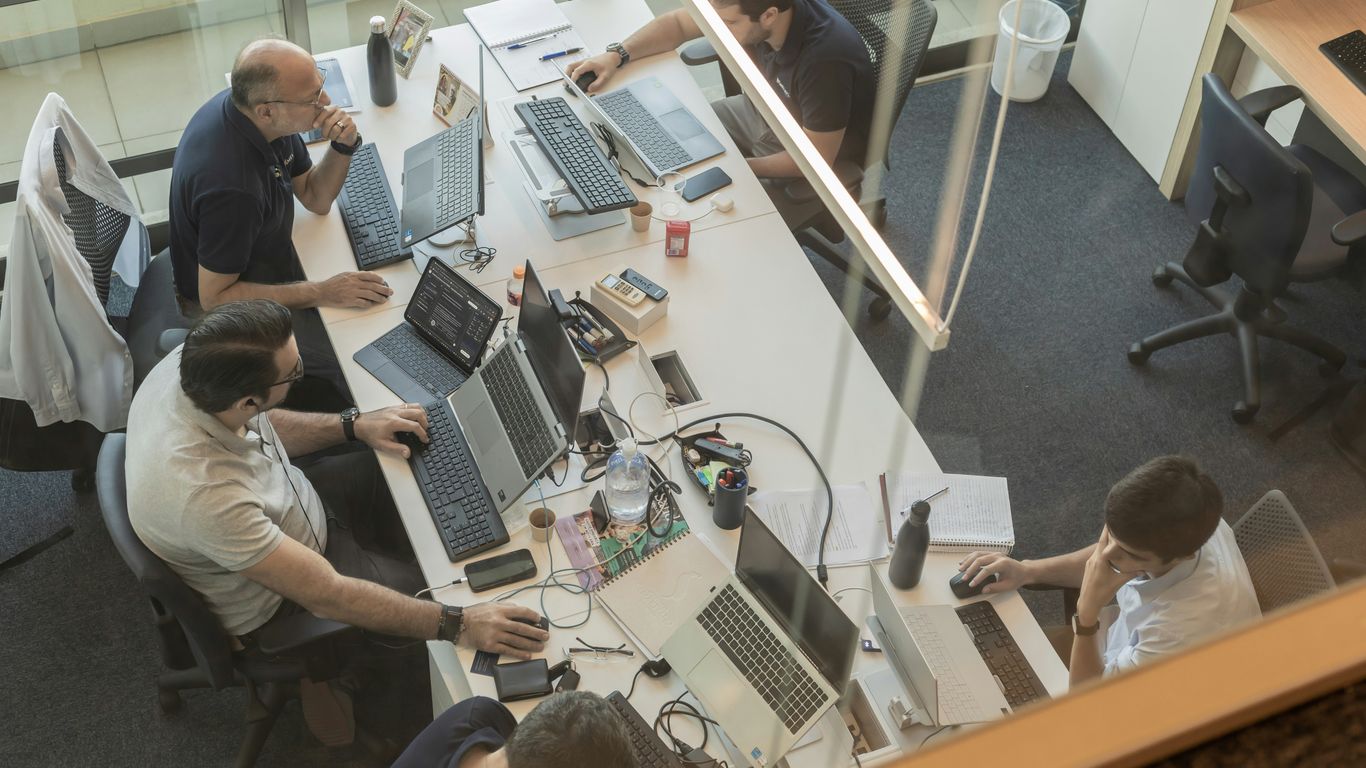
Working in Brazil means getting to know a culture that really values personal connections. It's not just about the task at hand; it's about the people you're working with. Building trust and rapport is a big part of how business gets done here. So, don't be surprised if conversations start with a bit of small talk before diving into work matters. It shows you're invested in the relationship, which is key.
The Importance of Relationships and Hierarchy
In Brazil, relationships form the bedrock of professional interactions. It's common to spend time getting to know colleagues and clients, as this personal connection often smooths the way for business dealings. While this might feel different if you're used to a strict separation between your work and personal life, making an effort to connect on a more personal level can go a long way. Remember, sincerity and warmth are appreciated.
Despite the friendly atmosphere, Brazilian workplaces often have a clear hierarchy. Decisions usually come from the top, and it's not always expected for junior staff to be involved in major strategic choices. If you're managing a team, be mindful of this. You might need to gently encourage participation from newer team members if you're aiming for a more collaborative environment. Introducing changes gradually helps everyone adjust.
Communication Styles and Language Nuances
When it comes to communication, things can be a bit more informal than you might expect. While email is common, many Brazilians prefer using messaging apps like WhatsApp for both personal and professional chats. It's a good idea to get comfortable with this platform if you plan to work closely with Brazilian teams. This can be a bit of a learning curve, but it's how many day-to-day work discussions happen.
Portuguese is the official language, and while many professionals speak English, especially in larger cities, making an effort to use even a few Portuguese phrases will be noticed and appreciated. It's also helpful to keep your sentences clear and simple when communicating, especially at first, to avoid any misunderstandings. Remember, Brazilian Portuguese has its own unique rhythm and sound compared to other Portuguese dialects.
Brazil's labor laws are quite detailed, covering everything from employment contracts to mandatory benefits. Understanding these regulations is important for both employers and employees to avoid potential issues. For instance, misclassifying workers can lead to significant penalties, so it's wise to be well-informed about Brazil's labor laws.
When you're working with Brazilian colleagues, you might notice a more flexible approach to time. While deadlines are important, meetings might not always start exactly on the dot, and there can be a bit more leeway with smaller tasks. This 'time-fluidity' is a cultural aspect, and while major cities are often more punctual due to international business, patience is a good virtue to practice. It's also worth noting that Brazil has a growing number of opportunities for professionals, including those looking for technical courses in various fields.
We invite you to explore the EduGradus platform, where you can discover courses in 10 different languages and earn international certifications. It's a great way to prepare for working in a global environment.
Key Considerations for Working in Brazil

Thinking about working in Brazil? It's a country with a lot to offer, from a vibrant culture to a growing economy. But like anywhere, there are specific things you'll want to get a handle on before you jump in. Understanding the local landscape, both culturally and legally, is super important for a smooth experience. It's not just about the job itself; it's about fitting into the way things work here.
Employment Laws and Benefits
Brazil has its own set of rules when it comes to hiring and being hired. It's a bit different from what you might be used to, so paying attention to the details really pays off. When you're employed, you're entitled to certain things, and employers have specific obligations.
- Paid Leave: Employees generally get 30 days of annual leave after a year of service. On top of that, there are statutory holidays and sick leave, where employers cover the first 15 days.
- Taxes and Contributions: Payroll taxes can be quite high, often around 35% of an employee's gross salary. These cover things like the public pension fund and severance funds. Employers also withhold income tax from salaries.
- Contract Types: You can be hired as an independent contractor or a direct employee. Hiring an employee means more responsibilities like benefits and taxes, but it also means a more stable working relationship. Be careful with independent contractor classifications, as misclassification can lead to penalties.
It's a good idea to get familiar with these regulations to avoid any surprises. For companies looking to hire, understanding these nuances is key to effectively leveraging Brazil's talent pool.
Visas and Work Permits for Expats
If you're not a Brazilian citizen, you'll need the right paperwork to work there. The most common route for expats is a temporary work visa, which is usually tied to a specific job offer and lasts for a couple of years, often renewable.
More recently, Brazil introduced a Digital Nomad Visa. This is great news for remote workers, allowing them to stay for up to a year, with an option to extend.
Navigating the visa process can seem a bit daunting at first. It's always best to check the latest requirements with the Brazilian consulate or embassy in your home country well in advance of your planned move.
Beyond these, other visa options exist depending on your situation. If you're thinking long-term, you might look into permanent residency or even citizenship pathways. Staying informed about the social implications of work changes can also be helpful as you settle in.
To make your transition smoother, consider exploring resources that can help you understand the local job market and cultural expectations. And if you're looking to brush up on your language skills or learn new ones, platforms like EduGradus offer a wide range of courses and international certifications to help you connect better with your new colleagues and environment.
Thinking about working in Brazil? It's a great place with lots to offer! Just remember to look into things like local rules and how people do business there. Getting the right information beforehand makes everything smoother. Want to learn more about making your move to Brazil a success? Visit our website for helpful tips and resources!
So, What's the Takeaway?
Look, working in Brazil is definitely an experience. It's not always easy, and there are things you'll need to get used to, like the different pace of things and how relationships play a big part in business. But there's also a lot to gain. The culture is rich, the opportunities are there if you look, and the people are generally warm. It’s a place where you can grow, both personally and professionally, if you’re willing to adapt and embrace what Brazil has to offer. It’s a journey, for sure, but one that many find incredibly rewarding.
Frequently Asked Questions
What are the main cities like for working in Brazil?
Brazil has big cities like São Paulo and Rio de Janeiro, which are busy and offer lots of jobs and excitement. São Paulo is huge and a major business center. Rio is known for its beaches and lively vibe. If you prefer a calmer place, cities like Brasília, the capital, or Curitiba in the south offer a more relaxed lifestyle with good quality of life.
How important are relationships and hierarchy in Brazilian workplaces?
Building good relationships with your coworkers is super important in Brazil. It's not just about work; people value getting to know each other. There's also a clear sense of who's in charge. The boss usually makes the big decisions, so it's good to understand how the team is organized and respect that structure.
What should I know about working legally in Brazil as a foreigner?
If you're not from Brazil, you'll likely need a work visa, which usually means having a job offer first. Brazil also has a special visa for digital nomads. It's important to understand the rules for visas and work permits, as well as local employment laws, benefits like paid time off, and taxes, which can be quite high.