
Industrial Technology's Future: How AI is Revolutionizing Jobs
AI is changing industrial technology jobs in big ways. Here are the main things to remember:
Key Takeaways
- AI is making industrial jobs smarter and more efficient, not just taking them away.
- New jobs are appearing that need people to work with AI systems, manage them, and fix them.
- Learning new skills, especially those related to AI and working with technology, is super important for future success in this field.
How AI Is Reshaping Industrial Technology Jobs
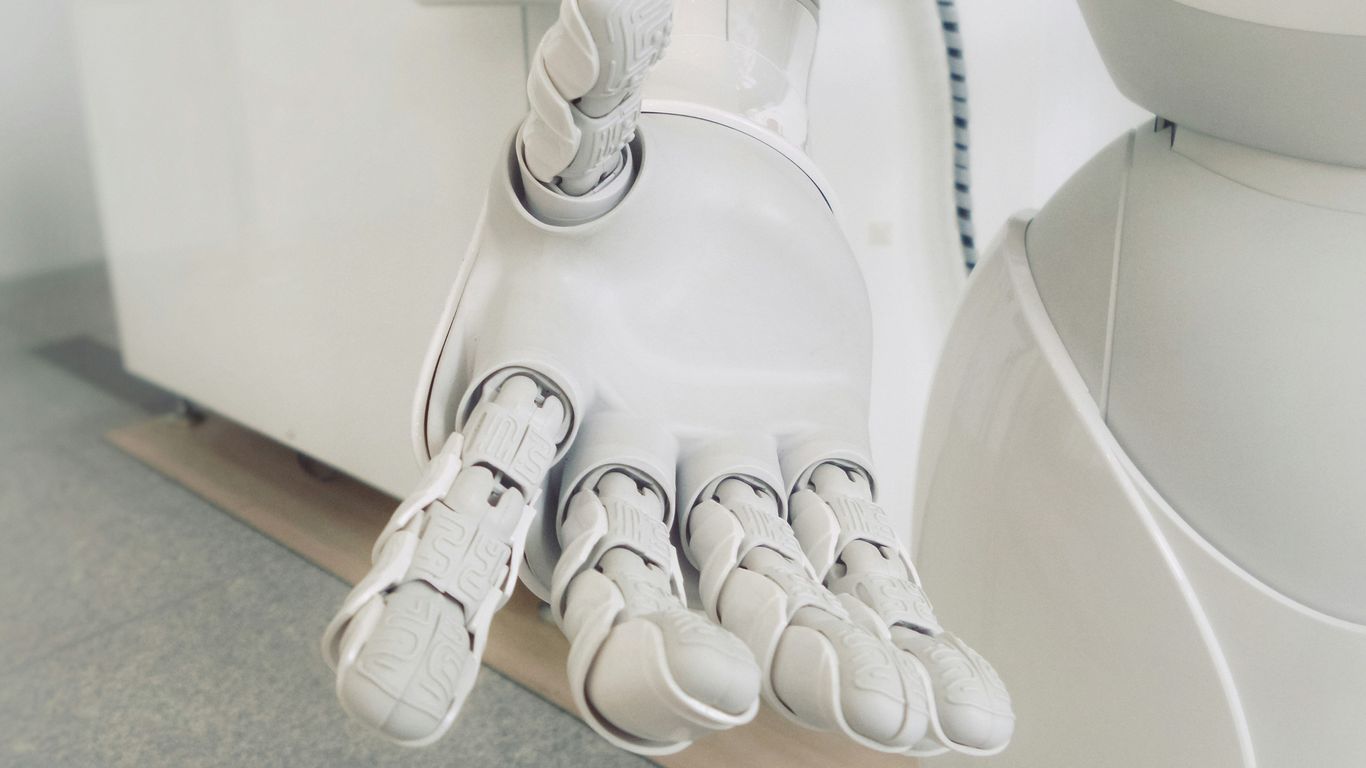
It's pretty clear that artificial intelligence isn't just a futuristic concept anymore; it's actively changing how we work, especially in industrial tech. Think about it – tasks that used to take hours of manual labor are now being handled by smart machines. This isn't about replacing people wholesale, but rather about shifting what we do.
Automation's Impact on Core Industrial Functions
AI and automation are stepping in to handle a lot of the repetitive and physically demanding jobs. In factories, for example, robots powered by AI can perform assembly line tasks with incredible accuracy, 24/7. This means fewer errors and a big boost in how much can be produced. It's also changing how we manage complex systems. AI can monitor equipment health in real-time, predicting when maintenance is needed before a breakdown happens. This proactive approach saves a lot of downtime and money. We're seeing this shift across many industries, from manufacturing floors to the intricate workings of supply chains. The goal is to make these core functions more efficient and reliable.
The Rise of New Roles in an AI-Driven Landscape
While some tasks are being automated, this wave of technology is also creating entirely new job categories. Instead of just operating machines, people are now needed to design, manage, and improve these AI systems. Think about roles like AI trainers, data scientists who make sense of all the information these systems generate, or specialists who ensure these technologies are integrated smoothly into existing operations. The demand for people who can work with AI is growing fast. It's a different kind of work, often requiring more analytical thinking and problem-solving skills. For instance, the number of software engineering jobs, while changing in nature, continues to grow, with new roles like "full stack AI engineer" emerging. This evolution means that while some older job descriptions might fade, new, often higher-skilled, positions are taking their place. It's a dynamic shift, and understanding it is key to staying relevant in the industrial tech sector. Exploring platforms that offer training in these new areas, like EduGradus with its 10 languages and international certification, can be a smart move for career development.
Evolving Skillsets for the Future Industrial Workforce
As AI and automation become more common in factories and workshops, the skills needed to do well are changing. It's not just about knowing how to operate machines anymore. We're seeing a shift towards roles that require a different kind of know-how. Think of it like this: while machines get better at the repetitive stuff, humans are needed for the thinking, planning, and creative parts.
The Growing Demand for AI and Data Expertise
One of the biggest changes is the need for people who understand AI and can work with data. Companies are collecting more information than ever before, and they need folks who can make sense of it all. This means jobs like data analysts, AI trainers, and machine learning specialists are becoming really important. These roles involve looking at patterns, building models, and helping AI systems learn and improve. It's a bit like being a detective, but for numbers and algorithms. If you're interested in this area, exploring resources on how to work with data is a good first step.
- Data Analysis: Interpreting large datasets to find trends and insights.
- AI/ML Development: Building and refining artificial intelligence and machine learning models.
- System Integration: Connecting AI tools with existing industrial systems.
- AI Ethics and Governance: Ensuring AI is used responsibly and fairly.
Human-Centric Skills in an Automated World
But it's not all about tech skills. As machines take over more routine tasks, the skills that make us uniquely human become even more valuable. We're talking about things like problem-solving, critical thinking, and creativity. When something unexpected happens on the factory floor, it's often a person who needs to figure out a solution on the fly. Also, communication and teamwork are super important. People need to work together, manage teams, and explain complex ideas clearly, especially when collaborating with AI.
Emotional intelligence, the ability to understand and manage your own emotions and those of others, is becoming a key differentiator. In a world where AI handles calculations, human connection and empathy in leadership and customer interaction will set businesses apart.
Think about it: a robot can assemble a part perfectly every time, but it can't come up with a new design or negotiate a tricky supplier deal. That's where people shine. The ability to adapt and learn new things quickly is also a big plus. The industrial landscape is changing fast, and those who can keep up will do the best. This is why understanding workforce transitions is so important for everyone involved.
For those looking to build these future-ready skills, exploring platforms that offer diverse learning paths is a smart move. Consider checking out the EduGradus platform, which boasts 10 languages and offers international certification, providing a solid foundation for your career journey.
Embracing AI for Enhanced Industrial Performance
It's easy to get caught up in the idea that AI is just about replacing people. But honestly, that's not the whole story, especially in industrial tech. Think of AI more like a super-powered assistant. It's here to help us do our jobs better, faster, and with fewer mistakes. Instead of taking over, it's actually making our current roles more interesting and opening doors to new possibilities.
AI as a Tool for Augmentation, Not Replacement
Many industrial processes, from the factory floor to complex network management, are seeing AI step in. It's not about swapping out human workers for robots wholesale. Rather, AI is taking on the repetitive, data-heavy tasks that can be draining and prone to error. For example, AI can sift through mountains of performance data to spot trends or potential issues before they become big problems. This frees up human workers to focus on the parts of the job that require critical thinking, creativity, and complex problem-solving – things AI still can't replicate. We're seeing AI help with things like predictive maintenance, where it can tell us when a machine might break down before it happens, saving a ton of downtime and money. It's also making systems smarter, like in network management, where AI can analyze traffic and automatically adjust to prevent slowdowns or security breaches. This kind of intelligent support means we can achieve higher levels of operational performance.
The real power of AI in industry lies in its ability to work alongside humans. It handles the grunt work, analyzes vast amounts of information, and provides insights, allowing people to concentrate on strategy, innovation, and the human element of their work. This partnership is what will drive future success.
The Imperative of Continuous Learning and Adaptation
So, if AI is changing how we work, what does that mean for us? It means we all need to keep learning. The skills that were important yesterday might not be enough tomorrow. We need to get comfortable with new technologies and understand how to work with AI. This isn't just about learning to code or becoming a data scientist, though those are certainly growing fields. It's also about developing those human-centric skills – communication, collaboration, and adaptability. Think about it: as AI handles more of the technical heavy lifting, the ability to interpret AI's findings, make strategic decisions based on that data, and communicate those decisions effectively becomes even more important. It’s about staying curious and being willing to adapt. Companies that encourage this continuous learning, perhaps through platforms that offer training in multiple languages and provide international certification, will be the ones that truly thrive. Exploring options like the EduGradus platform, with its 10 language options and international certification, could be a smart move for anyone looking to stay ahead in this evolving landscape. The future isn't about being replaced; it's about evolving alongside the technology, making our own roles more impactful and interesting. This shift is already happening, and staying informed about how these advanced tools can improve efficiency is key. See case studies on how optimization modeling and AI are already making a difference.
Discover how artificial intelligence can supercharge your factory's output. AI tools can help make processes smoother and more efficient, leading to better results. Ready to see how AI can boost your business? Visit our website to learn more!
Conclusion
The world of industrial technology is changing fast, and AI is a big reason why. It's not about machines taking over, but about humans and machines working together. Jobs are shifting, and new ones are popping up. The best way to keep up is to keep learning. By understanding how AI works and what skills are needed, you can be ready for the future of industrial technology and make sure your career stays strong. It's an exciting time to be in this field!
Frequently Asked Questions
Will AI take all the jobs in industrial technology?
No, AI isn't going to take all the jobs. Think of it more like a tool that helps people do their jobs better. Some tasks might be done by machines, but this often means people can focus on more interesting and important work. New jobs are also being created because of AI.
What kind of new jobs will AI create in industrial technology?
AI is creating jobs like AI trainers, data analysts who understand AI, and people who manage and fix AI systems. It also needs people who can design how AI fits into factories and other industrial settings. These jobs often involve working closely with the technology.
What skills do I need to get a job in industrial technology with AI?
You'll need to be good with computers and understand how AI works. Being able to look at data and figure out what it means is also a big plus. But don't forget about skills like teamwork, problem-solving, and being creative – machines aren't great at those yet, and humans are needed for them.