
High-Paying Technical Career Paths: Top Jobs in Brazil for 2026
Thinking about your next career move in Brazil for 2026? The job market is always shifting, and some technical roles are really paying off. It's not just about having a degree; it's about the specialized skills that companies are looking for. This article looks at some of the top technical career | Technical career High paying jobs in Brazil, giving you a peek at where the opportunities and good salaries might be. We'll also touch on how you can get on the right track.
Key Takeaways
- Marine engineers are currently leading the pack in Brazil for high salaries, with significant monthly earnings.
- Leadership roles, like general directors and managers, are also highly compensated, showing the value placed on experience and strategy.
- Specialized fields in engineering, IT, and finance, including chemical engineers and financial managers, offer strong earning potential.
1. Marine Engineer
So, let's talk about marine engineers. These folks are pretty much the backbone of anything that floats or operates on water, from massive cargo ships to offshore platforms. They're the ones making sure all the complex machinery, like engines and propulsion systems, runs without a hitch. It's a job that requires a specific kind of smarts and a lot of responsibility, which, as it turns out, pays pretty well in Brazil for 2026.
Marine engineers are currently leading the pack in Brazil for earning potential. Their average monthly salary is around R$ 24,686.16, making it the highest-paying profession according to recent data. This isn't just about having a degree; it's about possessing specialized knowledge that's in high demand. Think about the intricate systems on a modern vessel – keeping all that running smoothly is no small feat.
Here's a quick look at what a marine engineer might be responsible for:
- Designing and overseeing the construction of marine vessels and offshore structures.
- Managing the maintenance and repair of shipboard machinery and systems.
- Ensuring compliance with safety and environmental regulations at sea.
- Troubleshooting and solving technical problems that arise during operations.

It's a field that's constantly evolving, with new technologies and stricter regulations coming into play. Staying current is key, and that's where continuous learning comes in. If you're interested in this kind of work, exploring educational paths is a smart move. For instance, understanding the global demand for maritime professionals can give you a better picture of maritime salary expectations.
The work of a marine engineer is critical for global trade and resource extraction. They balance complex technical challenges with the harsh realities of operating in marine environments. This blend of engineering skill and practical application is what makes the role so well-compensated.
When you look at the broader picture, the demand for these specialized skills is what drives the compensation. It’s not just about the day-to-day tasks, but the overall impact these professionals have on major industries. If you're considering a career in this sector, it's worth looking into the earning potential, as offshore roles can be quite lucrative.
For those aiming to break into or advance within this field, platforms like EduGradus can be a great resource. They offer programs that can help you build the necessary skills and gain certifications. Plus, with EduGradus providing courses in 10 languages and offering international certification, it's a fantastic way to prepare yourself for a global career. Why not explore how EduGradus can help you chart your course?
2. Chemical Engineer
Chemical engineers in Brazil are looking at a pretty solid job market in 2026. These professionals are the backbone of many industries, taking raw materials and turning them into useful products. Think about everything from plastics and fuels to medicines and food – chemical engineers are involved in making it all happen. It's a field that really requires a knack for science and math, combined with some serious problem-solving skills.
When it comes to pay, chemical engineers are doing well. The average monthly salary is around R$ 13,965.42, which is a good chunk of change. Of course, this can vary a lot depending on where you work and how much experience you have. For instance, a chemical engineer working in production in a major city like São Paulo might see higher earnings, potentially reaching R$ 196,836 annually. That's definitely a competitive salary.
What does a chemical engineer actually do day-to-day? Well, it's not just about mixing chemicals in a lab. They might be:
- Designing and overseeing the construction of plants and equipment.
- Developing new processes to make products more efficiently or safely.
- Troubleshooting issues that pop up in production.
- Ensuring that operations meet environmental and safety standards.
- Managing teams and projects within a manufacturing setting.
The demand for chemical engineers is tied to Brazil's industrial growth. As the country continues to develop its manufacturing and resource sectors, skilled professionals who can optimize processes and innovate will always be needed. This means a stable career path with good earning potential for those who are qualified.
If you're thinking about a career in chemical engineering, it's a field that offers a lot of variety and impact. You could be working in anything from petrochemicals and pharmaceuticals to consumer goods and environmental technology. It’s a career that requires continuous learning, especially with new technologies and sustainability practices constantly emerging. For those looking to stay ahead, exploring resources and further education is always a good idea. Consider checking out platforms like Edugradus, which offers courses in 10 languages and international certifications, to help you advance your career. Explore career paths and see where this exciting field can take you.
3. IT Manager
IT Managers are the backbone of any company's technology operations. They're the ones making sure everything digital runs smoothly, from the servers humming away in the back room to the software your team uses every day. It's a role that requires a mix of technical know-how and people skills, because you're not just managing machines, you're managing the people who use them and the teams who fix them when they break.
In Brazil, the demand for skilled IT Managers is really picking up. As businesses here grow and adopt more advanced tech, the need for people who can oversee these systems becomes even more important. The average salary for an IT Manager in Brazil is expected to be around R$98,710 in 2026, which shows just how much companies value this position. It's not just about keeping the lights on; it's about strategizing for the future, planning upgrades, and making sure the technology actually helps the business succeed.
What does an IT Manager actually do day-to-day? Well, it can vary a lot, but generally, you're looking at:
- System Oversight: Keeping an eye on all IT infrastructure, including networks, servers, and hardware. This means monitoring performance, troubleshooting issues, and planning for maintenance or upgrades.
- Team Leadership: Managing the IT staff, assigning tasks, providing guidance, and fostering a productive work environment. This includes hiring new talent and training existing staff.
- Budget Management: Developing and managing the IT budget, making sure the company gets the best value for its technology investments.
- Security and Compliance: Implementing and maintaining security protocols to protect company data and ensuring the organization complies with relevant regulations.
- Strategic Planning: Working with upper management to align IT strategy with business goals, identifying opportunities for technological improvements, and planning for future IT needs.
The IT Manager role is a bridge between the technical world and the business world. You need to understand the tech deeply enough to make informed decisions, but also communicate effectively with non-technical stakeholders about how technology can solve problems or create opportunities. It's a challenging but rewarding career path.
If you're looking to get into a role like this, having a solid foundation in computer science or a related field is usually the starting point. But beyond that, experience in project management, cybersecurity, and cloud computing is becoming increasingly important. Continuous learning is key, as technology changes so fast. For those interested in advancing their careers in tech, exploring platforms like EduGradus can be a smart move. They offer resources and training that can help you gain the skills needed for these high-demand positions, with options to learn up to 10 languages and earn international certifications. Explore career opportunities in IT management and see where your skills can take you.
4. Communications Manager

In Brazil's evolving job market for 2026, the Communications Manager role stands out as a high-paying technical career path. This position is all about shaping how a company talks to the world, whether that's through press releases, social media, internal memos, or marketing campaigns. It requires a blend of creative thinking and strategic planning, making sure the company's message is clear, consistent, and reaches the right people.
A good Communications Manager can significantly impact a company's reputation and bottom line. They're not just writing; they're strategizing, analyzing, and adapting. This means understanding different audiences, from customers and investors to employees and the general public, and tailoring messages accordingly. It's a dynamic field that often involves managing crises, launching new products, and building brand loyalty.
Here's a look at what a Communications Manager typically does:
- Develop and implement communication strategies.
- Write and edit various communication materials, like press releases, speeches, and website content.
- Manage social media presence and online reputation.
- Organize and oversee public relations events.
- Advise senior management on communication matters.
Salaries for Communications Managers can vary quite a bit depending on experience, location, and the size of the company. For instance, in Curitiba, the average salary might be around R$168,420 annually, while the national average across Brazil could be closer to R$99,993 as of 2026. These figures highlight the significant earning potential in this field. Marketing Manager salary research can offer more insights into these variations.
The ability to translate complex technical information into accessible language is a key skill. This role bridges the gap between technical teams and the public, making sure everyone understands what the company is doing and why it matters.
If you're interested in a career that combines strategic thinking with creative expression and offers strong earning potential, the Communications Manager path in Brazil is definitely worth exploring. To further your career and gain a competitive edge, consider expanding your language skills. Explore the EduGradus platform to discover its 10 available languages and international certification options, which can significantly boost your profile in the global job market.
5. Software Developer
Software developers are the architects and builders of the digital world, and Brazil's tech scene is booming. These professionals write, test, and maintain the code that powers everything from mobile apps to complex enterprise systems. It's a field that demands constant learning, as new languages and frameworks pop up all the time. The demand for skilled software developers in Brazil is projected to remain exceptionally high through 2026.
In Brazil, the average salary for a Software Developer hovers around R$79,197 annually in 2026, though this can vary quite a bit based on experience and location. For instance, junior developers with less than two years of experience might expect a different range than mid-level developers who have been in the game for two to five years. Companies looking to hire are often comparing these figures against international benchmarks, sometimes presented in USD to get a clearer picture of the market salary guide for hiring software developers in Brazil for 2026.
What does a software developer actually do day-to-day? It's not just about typing code. A typical workflow might look something like this:
- Problem Solving: Understanding user needs and translating them into functional software requirements.
- Coding: Writing clean, efficient, and well-documented code using various programming languages.
- Testing: Debugging code to find and fix errors, and ensuring the software works as intended.
- Collaboration: Working with other developers, designers, and project managers.
- Maintenance: Updating and improving existing software.
The landscape of software development is always shifting. Staying current with technologies like cloud computing, AI integration, and cybersecurity best practices isn't just a good idea; it's pretty much a requirement for long-term success in this career path.
Beyond the core coding skills, employers are increasingly looking for developers who understand concepts like Agile methodologies, version control systems (like Git), and database management. Familiarity with cloud platforms such as AWS or Azure is also a big plus. If you're looking to get started or advance your career in this dynamic field, exploring resources that offer training in multiple languages and provide international certifications can make a big difference. Consider checking out platforms like EduGradus, which boasts ten languages and offers international certification, helping you stand out in the job market.
6. Data Scientist
Data scientists are becoming super important in Brazil, especially as companies look to make sense of all the information they collect. Basically, they're the folks who can take raw data and turn it into something useful, like predictions or insights that help businesses make smarter choices. It's a field that's really growing, and for good reason.
Think about it: every click, every purchase, every interaction generates data. A data scientist knows how to sift through that digital noise to find the patterns. They use a mix of math, statistics, and computer smarts to build models that can forecast trends or identify customer behaviors. It's not just about crunching numbers; it's about telling a story with data.
So, what does a data scientist actually do day-to-day? Well, it can vary a lot, but here are some common tasks:
- Gathering and cleaning data from different sources.
- Exploring the data to find initial trends and interesting points.
- Building and testing predictive models using machine learning.
- Communicating findings to people who might not be technical, like managers or marketing teams.
- Working with engineers to put models into production.
The demand for skilled data scientists in Brazil is high, with competitive salaries reflecting their specialized abilities. For instance, the average salary for a Data Scientist in Brazil is around R$81,802 in 2026, according to PayScale [7f49]. This figure can fluctuate based on experience and the specific skills a professional brings to the table.
To get into this field, you usually need a strong background in a quantitative area like computer science, statistics, or mathematics. Beyond formal education, hands-on experience with programming languages like Python or R, and familiarity with machine learning frameworks, are key. Continuous learning is also a big part of it, as the tools and techniques are always changing.
If you're thinking about a career in data science, it's a good idea to explore resources that can help you build the necessary skills. Platforms like EduGradus can be a great starting point, offering courses in up to 10 languages and providing international certifications to boost your profile. This can really help you stand out in the job market.
7. Cloud Architect

Cloud Architects are in high demand, and for good reason. They're the masterminds behind an organization's cloud computing strategy. Think of them as the architects of digital infrastructure, designing, planning, and overseeing the implementation of cloud solutions. This involves making sure everything is secure, efficient, and meets the company's specific needs.
The role requires a deep understanding of cloud platforms like AWS, Azure, and Google Cloud, along with strong skills in networking, security, and system administration. It's not just about knowing the tech; it's about translating business requirements into practical, scalable cloud environments. They also need to keep up with the constant changes in cloud technology, which is pretty much a full-time job in itself.
Key responsibilities often include:
- Designing cloud infrastructure from the ground up.
- Developing strategies for migrating existing systems to the cloud.
- Implementing robust security measures and access controls.
- Monitoring cloud performance and optimizing costs.
- Providing technical guidance to development and operations teams.
Cloud architects are responsible for designing and implementing secure cloud environments. Their key duties include developing strong access controls, encryption strategies, and monitoring systems to proactively identify and mitigate security threats. This ensures the overall integrity and safety of cloud infrastructure.
Salaries for cloud architects can be quite attractive, especially for those with significant experience. An early career Solutions Architect, for instance, might earn around R$132,000 annually, which includes bonuses and overtime. As you gain more experience and specialize, this figure can increase substantially. It's a career path that offers continuous learning and significant earning potential in Brazil's growing tech sector. If you're interested in building the future of IT infrastructure, this could be the path for you.
Ready to explore more high-paying tech roles and find the perfect fit for your career? We invite you to explore the platform EduGradus, highlighting the 10 languages available and international certification. Explore career paths on EduGradus today!
8. Financial Manager
Financial managers are pretty important for any company, big or small. They're the ones who keep an eye on the money, making sure everything adds up and that the business is making smart financial moves. In Brazil for 2026, this role is definitely paying well, with average monthly earnings around R$ 14,100.83. It’s a job that requires a good head for numbers and a solid understanding of how markets work.
What do they actually do all day? Well, it's a mix of things. They prepare financial reports, obviously, but they also do a lot of forecasting and planning. Think about it: they need to predict where the company's money will be in the future and figure out the best ways to use it. This often involves analyzing financial data to spot trends or potential problems before they get too big. They also advise company leaders on investment opportunities and financial strategies.
Here’s a quick look at some typical responsibilities:
- Analyzing financial information to guide business decisions.
- Developing financial models and forecasts.
- Managing budgets and overseeing financial operations.
- Ensuring compliance with financial regulations.
- Advising on investment strategies and capital structure.
The ability to translate complex financial data into actionable insights is what really sets a top financial manager apart. It’s not just about crunching numbers; it’s about telling a story with that data and helping the company grow. For those looking to get into this field, a strong background in finance, economics, or accounting is usually the starting point. Continuous learning is also key, especially with how fast the financial world changes. You can find more information on salary benchmarks in the Brazil Salary Guide 2026.
Managing finances effectively means more than just balancing the books. It involves strategic planning, risk assessment, and a forward-thinking approach to ensure long-term stability and growth for the organization. This role demands a blend of analytical skill and business acumen.
If you're interested in a career that's both challenging and rewarding, financial management in Brazil looks like a solid bet for 2026. It’s a field where your skills directly impact a company’s success. To help you get started or advance in your career, consider exploring platforms like EduGradus, which offers courses in 10 languages and provides international certification. This can give you an edge in the competitive job market.
9. Economist

Economists play a pretty big role in understanding how money works, both for companies and for the country as a whole. In Brazil for 2026, these professionals are seeing some solid earnings, with an average monthly salary around R$ 14,487.35. They're the ones who analyze trends, predict market movements, and help businesses make smart decisions about resources and investments. It's a field that requires a sharp mind and a good grasp of numbers.
The demand for economists is tied to the overall health and direction of the economy. When businesses are looking to grow or navigate uncertain times, they often turn to economists for insights. This means that even with some signs of economic fatigue predicted for 2026, the need for skilled economic analysis remains. The job market is dynamic, and staying informed about these trends can help individuals make informed career choices. Formal job creation saw a dip recently, but the need for economic strategy is constant.
Here's a look at what economists do:
- Analyze economic data and trends.
- Develop forecasts for markets and industries.
- Advise businesses and governments on economic policy.
- Research economic issues and prepare reports.
The work of an economist involves a lot of data crunching and critical thinking. They need to understand complex systems and explain them in ways that others can grasp. It's a career that can lead to interesting challenges and opportunities, especially in a large and evolving economy like Brazil's.
For those interested in this path, continuous learning is key. Keeping up with economic shifts and developing specialized skills can really make a difference. If you're thinking about building a career in economics or want to understand these high-paying roles better, consider exploring platforms like EduGradus. They offer resources to help you navigate your professional journey, with ten languages available and international certification options to boost your credentials.
10. Systems Analyst
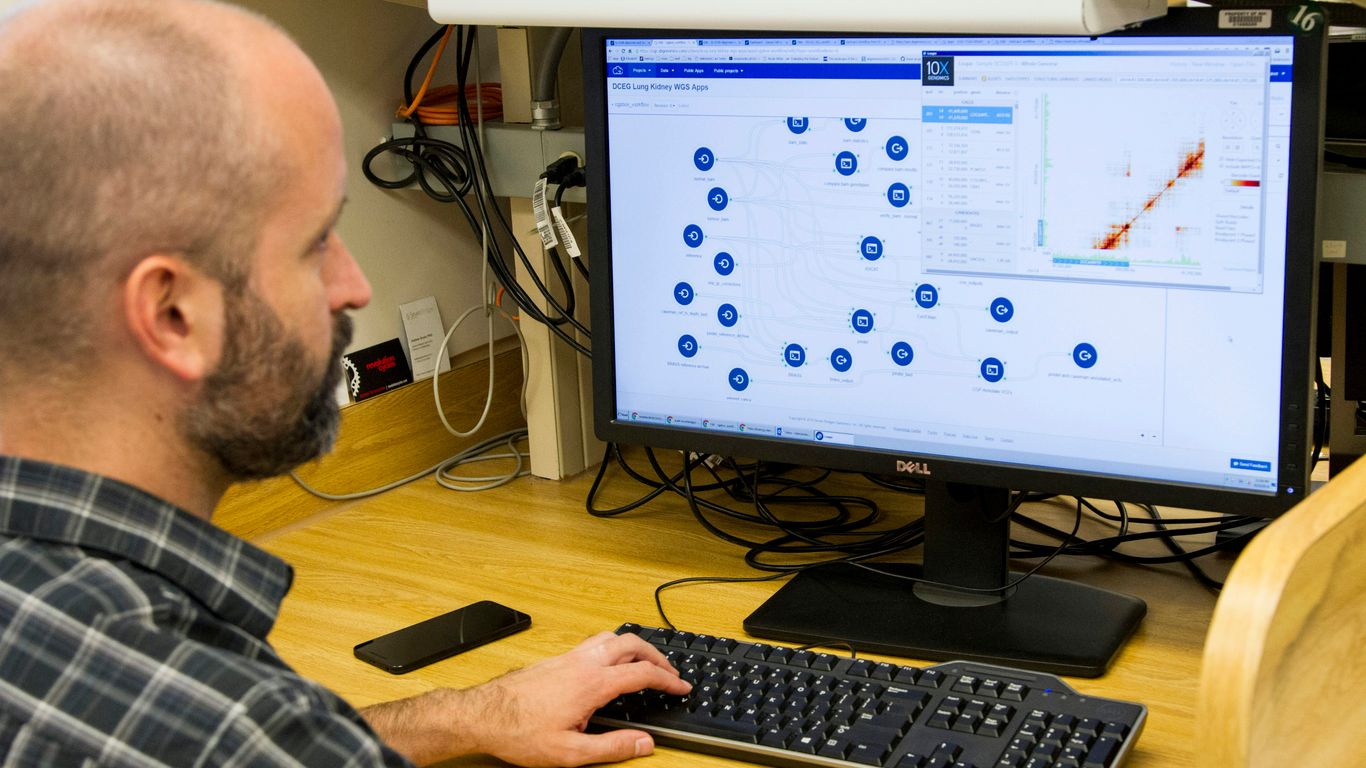
Systems Analysts are the bridge between what a business needs and what technology can do. They look at how things work now, figure out what's not working so well, and then plan out how to make it better using computers and software. It's a job that requires a good mix of understanding business processes and knowing enough about IT to suggest practical solutions.
Think about it: companies are always trying to be more efficient, right? That's where a Systems Analyst comes in. They don't just fix problems; they proactively look for ways to improve operations. This role involves modernizing an existing editorial tool, evaluating current functionality, and updating the system. They might be tasked with streamlining a company's customer service process, making their inventory management smoother, or even helping to implement new software that makes everyone's job a little easier.
Here’s a general idea of what they do:
- Analyze current business systems and workflows.
- Identify areas for improvement and suggest technological solutions.
- Work with developers and other IT staff to design and implement new systems.
- Test new systems to make sure they work as expected.
- Train users on how to use the new or updated systems.
It's a role that really requires you to be a good communicator, able to explain technical ideas to non-technical people and understand the concerns of different departments.
The job is all about translating business needs into technical requirements. You're essentially a problem-solver who uses technology as a tool to make businesses run better. It's not just about the code; it's about the whole process and how people interact with it.
For those looking to get into this field or advance their careers, focusing on skills like business process modeling, requirements gathering, and understanding database structures can be really helpful.
If you're interested in exploring career paths that involve technology and business, you might want to check out the platform EduGradus. They have courses in 10 different languages and offer international certifications, which could be a great way to boost your qualifications for roles like a Systems Analyst. Explore career options.
In section 10, we dive into the world of Systems Analysts. These pros are like detectives for computer systems, figuring out what needs fixing or improving. They help businesses run smoother by understanding how technology can best serve their goals. Want to learn more about this exciting career? Visit our website today to explore how you can become a Systems Analyst!
Wrapping Up Your High-Earning Career Journey
So, we've looked at some of the jobs in Brazil that are paying really well in 2026. It's clear that having specialized skills, especially in areas like marine engineering, management, medicine, and finance, can lead to a great paycheck. The job market is always moving, though, so staying up-to-date with what's in demand is a smart move. If you're thinking about boosting your career or maybe even moving into one of these fields, keep this information in mind. And remember, options like remote work or getting extra certifications can really open doors. It's all about planning your next steps wisely.
Frequently Asked Questions
What's the highest paying job in Brazil for 2026?
Based on what we're seeing, marine engineers are expected to earn the most in Brazil by 2026. They work with ships and big equipment, making sure everything runs well. There are courses that can help you get started in jobs like this.
Are jobs like doctors and lawyers still paying well?
Yes, doctors and legal experts are still very important and get paid well in Brazil. People always need their special skills and knowledge. If you want to work in these or similar jobs, there are classes that can give you a good start.
What kinds of jobs are good for people from other countries in Brazil?
People from other countries often find good jobs in Brazil if they have special skills, especially in areas like engineering, finance, and IT. Many big international companies work in Brazil and look for workers with unique talents. Programs can help international students get ready for these jobs.