
Formal Work vs. Informal Jobs: Understanding the Escape in Brazil
Brazil's job market is a puzzle, with a lot of people working jobs that aren't officially registered. It's a situation many find themselves in, sometimes by choice, sometimes not. This article looks at what formal work means in Brazil, why so many people end up in informal jobs, and what's driving this shift. We'll explore the reasons behind this Formal work | Formal work Escape informal jobs in Brazil, and what it means for the country's economy and its people. Edugradus offers courses to help understand these complex topics better.
Key Takeaways
- In Brazil, 'formal work' is strongly tied to having a 'Carteira de Trabalho' (Labor Booklet), a document that records a worker's employment history and rights. Jobs without this are generally considered informal.
- Informality in Brazil isn't just about lacking a formal contract; it encompasses a wide range of situations, from illegal work to family arrangements, and is often seen as a social way of life rather than just a job status.
- The trend towards informal jobs is influenced by economic conditions and institutional factors, with some arguing that a significant portion of the informal workforce may not seek formalization due to its deep integration into their way of life.
Understanding Formal Work and Informal Jobs in Brazil
The Legal Framework of Formal Work
In Brazil, the idea of "formal work" is pretty much tied to a specific legal structure. When we talk about formal employment, we're usually talking about jobs where there's a "Carteira de Trabalho" – a Labor Booklet. This booklet is like an official record for a worker. Employers are required to log all the important details: hiring and firing dates, salary, social security contributions, and other key information. It basically tells the story of a person's formal work history.
This booklet isn't just paperwork; it's often used as proof of a worker's reliability when applying for new jobs or seeking loans. It's seen as a mark of respectability in society. For a long time, the main type of employment contract available under Brazil's Labor Code (CLT) was for an indefinite period. While some changes have been made to allow for different contract types, the traditional model still heavily influences how formal work is perceived. This structured approach is a key part of the Brazilian labor landscape.
Defining Informality: Beyond the Labor Booklet
Informality in Brazil is a bit more complicated than just not having that official Labor Booklet. It's a broad category that covers a huge range of situations. We're talking about everything from clearly illegal work, like forced labor, to family businesses where roles aren't clearly defined, and many other arrangements where the terms are often up for debate. It's not a one-size-fits-all situation.
Economists and legal experts often look at informality from different angles. Some definitions focus on whether a worker has social security, while others look at the characteristics of the employer or the job itself. Studies show that a large chunk of the workforce operates informally, contributing significantly to the economy but often without the protections afforded to formal workers. Understanding these diverse contractual situations is key to grasping the full picture of Brazil's labor market. It's a complex social form of existence for many people, and figuring out how to navigate Brazil's job market often requires persistence and a solid plan, especially if you're looking to secure a stable position. Portuguese language skills are often a big part of that.
The Complexities of Informality in the Brazilian Labor Market
Diverse Contractual Situations in Informal Employment
When we talk about informal jobs in Brazil, it's not just one simple thing. It's a whole mix of different work arrangements. Some people might be working without a formal contract, sure, but others are in situations that are a bit more complicated. Think about people who are self-employed, like a street vendor or a freelance designer. They're not exactly employees, but they're also not completely outside the economic system. Then you have those working for small businesses where maybe the paperwork isn't quite right, or the employer is trying to cut corners on taxes and benefits. It's a real patchwork.
The term "informality" itself can be tricky because it lumps together so many different realities. It's easy to see it as just people avoiding taxes, but it's often more about people trying to make a living in ways that don't fit neatly into the traditional employer-employee box. This diversity means that policies aimed at formalizing work need to be really smart about who they're trying to reach and what kind of support they actually need. Just assuming everyone in the informal sector wants the exact same thing isn't going to cut it.
Informality as a Social Form of Existence
Sometimes, informality isn't just a temporary stopgap; it becomes a way of life. For many Brazilians, especially in urban areas, informal work is deeply woven into the fabric of their daily existence. This isn't always a choice made out of desperation, but rather a response to an environment where formal structures might be weak or inaccessible. Housing, basic services, and even social networks can operate on informal principles, making informal work a natural fit.
This perspective suggests that for a significant portion of the population, informality is not a problem to be solved but a structuring element of their social and economic lives. Trying to force everyone into a formal mold might actually disrupt established ways of living and earning.
This social dimension is why simply pushing for more formal contracts doesn't always work. It overlooks how people have built their livelihoods and communities around informal arrangements. Understanding these deeper social connections is key to figuring out how to improve working conditions and economic security for everyone, not just those in traditional jobs. It's about recognizing the different ways people create value and sustain themselves, and finding ways to support those efforts. For more on how governments can approach these issues, consider research on progressive labor-income taxes [f8b2].
Here's a look at some common informal work situations:
- Self-employed individuals: Freelancers, artisans, small business owners without formal registration.
- Gig economy workers: Delivery drivers, ride-share drivers, online taskers.
- Domestic workers: Often employed without formal contracts or benefits.
- Street vendors and informal retailers: Selling goods and services in public spaces.
- Workers in unregistered small businesses: Employed by companies that don't comply with labor laws.
Navigating the Escape from Formal Work to Informal Jobs
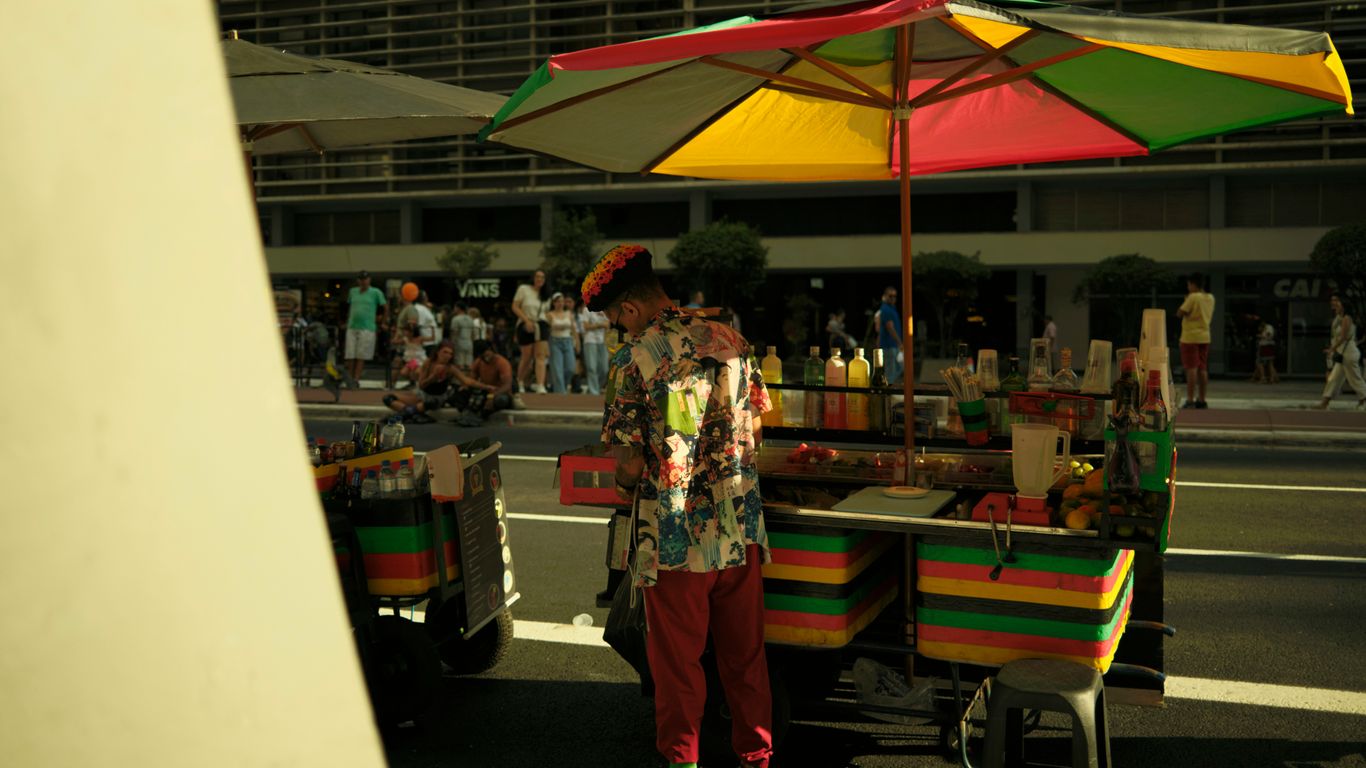
So, why do people leave the structured world of formal employment for the often unpredictable realm of informal jobs? It's not always a simple choice, and the reasons can be pretty complex. Sometimes, it's about finding a better fit, a way to make ends meet when formal options are scarce, or even a deliberate move to avoid certain regulations.
Factors Driving the Informalization Trend
Several things push people towards informal work. For starters, the sheer difficulty of accessing formal jobs can be a huge barrier. If the paperwork is too much, or if there just aren't enough openings, people look elsewhere. Then there's the cost. Formal employment comes with taxes and contributions that can eat into take-home pay. For some, the immediate financial benefit of an informal arrangement, even without long-term security, is more appealing. It's a trade-off many are willing to make.
- High Costs of Formalization: Registration fees, taxes, and mandatory benefits can make formal employment less attractive financially.
- Limited Formal Opportunities: In certain sectors or regions, the number of formal jobs simply doesn't match the available workforce.
- Desire for Autonomy: Some individuals prefer the flexibility and self-direction that informal work often provides.
- Regulatory Burdens: Complex labor laws and bureaucratic hurdles can deter both employers and employees from formal arrangements.
The decision to work informally isn't always a sign of desperation; it can be a strategic move to navigate economic realities or pursue opportunities not readily available in the formal sector. This is especially true when formal systems feel overly restrictive or inaccessible.
The Role of Economic Development and Institutions
Economic development plays a big part, of course. When an economy isn't growing fast enough, formal job creation can stagnate. This forces more people into informal work as a survival strategy. Institutions matter too. If the system for workplace safety, for example, is seen as overly burdensome or not effectively enforced, it can push businesses and workers towards less regulated paths. Understanding the legal framework, like the details covered in courses on Legislation Applied to Workplace Safety, is key for those trying to operate within or outside these systems. Furthermore, the rise of digital payments has also made informal transactions smoother, contributing to the overall shift [6cd3].
- Economic Cycles: Recessions often see an increase in informal employment as people lose formal jobs and seek any available income. Expansions can sometimes lead to more formal hiring, but not always.
- Quality of Institutions: Weak or corrupt institutions can encourage informality as a way to bypass red tape or avoid unfair demands.
- Social Safety Nets: Inadequate public support systems can push individuals into informal work for basic income and security.
- Technological Adoption: Digital tools can both facilitate and formalize certain informal activities, blurring the lines.
Thinking about leaving a regular job for something more flexible? It can be a big change! Many people find that moving from a structured work environment to more independent jobs opens up new possibilities. This transition often means taking control of your schedule and finding work that truly fits your life. If you're curious about making this shift, we've got resources to help you figure it out. Explore our site to learn more about finding your path in the world of informal work.
Wrapping It Up
So, we've looked at the whole formal versus informal work scene in Brazil. It's pretty clear that the lines aren't always sharp, and what 'formal' even means can get blurry. For many people, working without that official 'Carteira de Trabalho' isn't just a choice, it's often the only way to make ends meet in a system that doesn't always work for everyone. While there have been attempts to bring more people into the formal fold, it's a complex puzzle. Understanding these different types of work, and why people end up in them, is key if we want to see real change. It’s a big topic, and Edugradus offers resources to help folks learn more about these kinds of economic realities across Latin America.
Frequently Asked Questions
What's the main difference between formal and informal work in Brazil?
In Brazil, formal work means you have a "Carteira de Trabalho," which is like a work ID. Your employer writes down all your job details in it, like when you were hired, your pay, and social security info. Informal jobs don't have this official record. Think of the "Carteira de Trabalho" as proof of a worker's history and a sign of respect in society. Edugradus offers courses that can help you understand these differences better.
Why do people choose informal jobs in Brazil?
There are many reasons why people end up in informal jobs. Sometimes, the rules for formal jobs can be complicated or hard to follow. Also, the economy and job market in Brazil are always changing. Edugradus provides learning opportunities that explore these changing job markets and how they affect people's choices. It's not always a simple choice, and many factors play a role.
Can informal work be a good thing?
While formal jobs offer more security and benefits, informal work can sometimes be a way for people to make a living when formal options are scarce. It's a complex situation, and sometimes informal work is the only way people can find a way to support themselves and their families. Edugradus aims to shed light on these complex situations through its educational programs, helping people understand the bigger picture of the job market.