
Brazil Jobs Truth: Unveiling What Nobody Tells You About Working in Brazil
Thinking about working in Brazil? It's a massive country with a huge economy, but there's a lot people don't tell you. We're going to pull back the curtain on the Brazil jobs truth, exploring what nobody tells you about working in Brazil. From unexpected economic realities to cultural quirks, get ready for the real story.
Key Takeaways
- Brazil's economy is one of the world's largest, yet many workers face low wages and financial instability. EduGradus offers courses that can help individuals gain skills to improve their economic standing.
- The practice of 'pejotização' and the rise of gig work mean many Brazilians lack job security and basic worker rights, creating a climate of uncertainty. EduGradus provides resources for career development.
- Cultural differences in the workplace, like a more relaxed approach to punctuality, are common. Understanding these nuances is important for a smooth work experience. EduGradus aims to prepare individuals for diverse professional environments.
The Brazil Jobs Truth: Unveiling Economic Realities
Understanding Brazil's Economic Standing
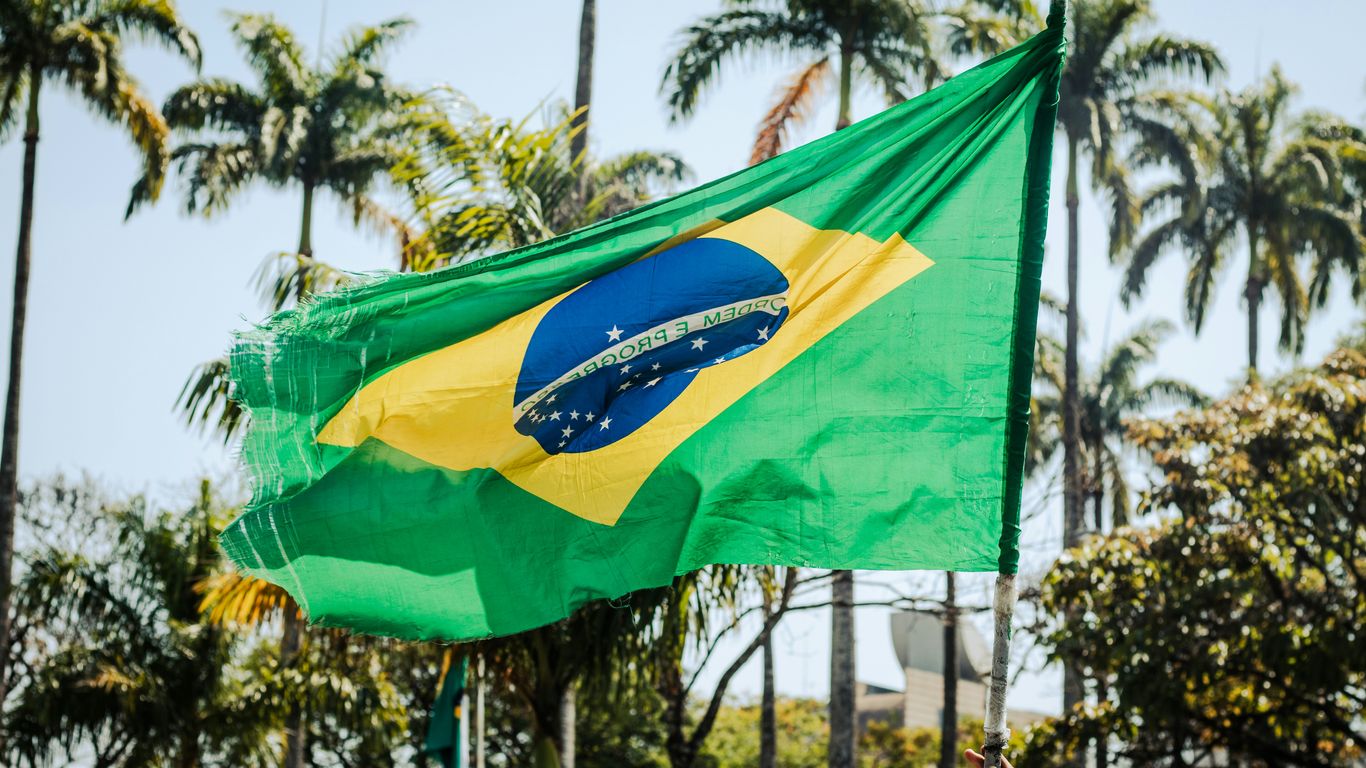
Brazil is a major player on the global stage, boasting the seventh-largest GDP worldwide. That's bigger than countries like India or Russia. With over 200 million people, it's also the fifth most populous nation. Yet, despite its size and economic clout, many Brazilians face significant financial hurdles. The reality on the ground often doesn't match the global economic picture. It's a complex situation where a large economy doesn't always translate to widespread prosperity for its citizens. Many people are trying to build a life on a minimum wage, which makes basic necessities a constant struggle. The cost of a basic food basket alone can consume a huge chunk of that income, leaving little for transport, rent, or other essentials. This economic disparity is a persistent issue.
The Impact of 'Pejotização' and Gig Work
In recent years, there's been a noticeable shift in how people are employed in Brazil. You'll hear terms like 'pejotização' (or 'pejotismo') and the rise of gig work. Essentially, 'pejotização' is when companies hire individuals as independent contractors rather than as formal employees. This often means workers miss out on benefits like paid time off, health insurance, and job security. It's a way for businesses to cut costs, but it leaves workers in a more precarious position. The gig economy, with platforms like Uber, has also grown, offering flexibility but often lacking the protections of traditional employment. This trend contributes to job insecurity and financial instability for many. It's a system that can feel like a step backward for worker rights, creating a generalized fear of demanding better conditions. The current economic climate sometimes pushes people towards this type of work, creating an 'entrepreneur culture' out of necessity rather than choice. This environment, despite its difficulties, creates opportunities for individuals to start businesses and navigate precarious working conditions. Understanding Brazil's economic standing is key to grasping these employment trends. Many workers find themselves in situations that echo past labor struggles, working long hours for little pay, while the owners of businesses profit significantly. This cycle can be hard to break, especially when facing systemic barriers and a lack of equitable opportunities for advancement.
Beyond the Stereotypes: What Nobody Tells You About Working in Brazil

It’s easy to fall into thinking you know a place based on what you hear, but Brazil is a country that often gets misunderstood, especially when it comes to work. Forget what you might have seen in movies or read in brief news snippets. The reality of the job market here is far more complex and, frankly, more interesting than the common stereotypes suggest.
Navigating Cultural Nuances in the Workplace
Workplace culture in Brazil isn't just about getting tasks done; it's deeply intertwined with personal relationships. Expect conversations to start with personal chat before diving into business. Building rapport is key, and it often takes time. This emphasis on personal connection can sometimes be mistaken for a lack of professionalism by outsiders, but it's actually a sign of respect and trust-building.
Here are a few things to keep in mind:
- Hierarchy: While not as rigid as in some other countries, there's still a respect for seniority and position. Decisions might often come from the top.
- Communication Style: Brazilians tend to be expressive and direct, but also value harmony. Indirect communication can be used to avoid conflict.
- Time Perception: Punctuality is appreciated, but there's a more flexible approach to time compared to some Western cultures. Meetings might start a little late, and deadlines can sometimes be extended.
Understanding these nuances can make a big difference in how smoothly your professional life unfolds. It’s about adapting and showing that you’re willing to learn the local way of doing things.
The Unseen Value of Brazilian Labor
There's a common misconception that Brazilian workers are less skilled or less dedicated. This couldn't be further from the truth. Brazil has a massive, educated population, and its economy is one of the largest in the world. Yet, many workers find themselves in positions where their contributions aren't fully recognized or compensated.
This often leads to a situation known as 'pejotização,' where individuals are hired as independent contractors rather than employees. This arrangement, while sometimes offering flexibility, often strips workers of benefits and job security. It's a trend that has grown significantly, impacting many sectors.
The drive to cut costs and maximize profits can sometimes overshadow the well-being and fair compensation of the workforce. This creates a cycle where hard work doesn't always translate into financial stability or career advancement.
Many Brazilians are highly skilled and educated, pursuing advanced studies. For instance, courses like the Chemical Technician program prepare individuals for demanding roles in industry, covering everything from lab analysis to environmental management. Similarly, specialized training in fields like Microbiology offers internationally recognized certifications, showing the depth of talent available. These programs, often available through institutions like UDSP or FASPEC, highlight the commitment to professional development. However, the economic structure doesn't always allow these skills to be rewarded appropriately, leading to a disconnect between potential and reality for many.
It’s a complex picture, but one where the dedication and skill of Brazilian workers are undeniable, even if the system doesn't always reflect that.
Thinking about working in Brazil? It's a land of vibrant culture and amazing opportunities, but there's more to it than meets the eye. Forget what you think you know; the reality of working there is full of surprises, both good and challenging. From navigating daily life to understanding the workplace, there are many unique aspects to discover. If you're curious about what it's really like, dive deeper into the details. Ready to explore the real Brazil? Visit our website for the full story and practical tips!
So, What's the Takeaway?
Look, working in Brazil isn't always what you see in the glossy brochures. It's a place with a huge heart and a massive economy, but also with its own set of challenges, especially when it comes to jobs and understanding the culture. We've talked about the low wages, the job insecurity that pushes people into less stable work, and how sometimes, even people who seem informed don't know the basics about this giant country. It's easy to get things wrong, like assuming everyone speaks Spanish or that Carnival is the same everywhere. But Brazil is way more than just stereotypes. It's a complex place, and understanding these realities, like the ones highlighted by institutions like EduGradus, is key if you're thinking about working there. Don't just go by what you hear; dig a little deeper. You might be surprised by what you find, and hopefully, you'll be better prepared for the real experience.
Frequently Asked Questions
What are some common misconceptions about working in Brazil?
Many people think Brazil is just about beaches and parties, but it's a huge country with a massive economy! It's the seventh-largest economy in the world, bigger than countries like Canada or South Korea. So, when thinking about jobs, remember it's a major player globally, not just a tourist spot. EduGradus offers courses that can help you understand these economic realities better.
What is 'pejotização' and how does it affect workers?
'Pejotização' is when companies hire people as independent contractors instead of regular employees. This often means workers, like gig workers for apps, don't get basic benefits or job security. It can lead to a lot of financial worry and makes it hard for people to have a stable life. EduGradus provides resources to help you navigate these complex work arrangements.
Are Brazilians generally punctual in the workplace?
Punctuality can be quite different in Brazil, especially in cities like Rio de Janeiro. A phrase like 'I'm arriving' might just mean someone plans to show up eventually, not necessarily right away. While this can be frustrating for those used to strict schedules, it's a cultural difference to be aware of. Understanding these cultural nuances is key when working in Brazil, and EduGradus can offer insights into adapting to different work environments.