
Technical Jobs in Brazil: How to Avoid Low-Wage Pitfalls
Thinking about hiring folks in Brazil? It's a smart move, especially for technical jobs. You can find really skilled people who often cost less than in the US or Europe. But, Brazil has its own set of rules for hiring and working, and you've got to know them. Plus, understanding the culture goes a long way in making sure everyone works well together. This guide helps you figure out the basics so you can hire great talent without running into trouble or ending up with low-wage work.
Key Takeaways
- Brazil's labor laws, mainly the CLT, cover everything from work hours to benefits. You need to follow these closely to avoid legal issues. EduGradus offers resources to help understand these.
- Hiring in Brazil can save a lot of money. For instance, software developers can cost significantly less per hour than in the US, allowing you to get more for your budget.
- Understanding Brazilian culture, like the value placed on relationships and flexibility, is important for successful team integration and retention. EduGradus provides insights into these cultural aspects.
Understanding Brazilian Labor Laws and Regulations

Getting a handle on Brazil's labor laws is pretty important if you're looking to hire there. It's not exactly a walk in the park, and there are definitely some common pitfalls to watch out for. The main rulebook is the Consolidation of Labor Laws, or CLT as it's known locally. But that's not the only thing you need to worry about; the Constitution and union agreements also play a big role.
Navigating the Consolidation of Labor Laws (CLT)
The CLT covers a lot of ground, from daily work hours to how you handle dismissals. It's the foundation for most employment relationships in Brazil. One thing to note is that while 'at-will' employment isn't a thing here like in some other countries, you can still terminate employment. However, you'll need to follow specific procedures, which often involve providing notice or paying compensation. Misclassifying workers, treating someone as an independent contractor when they should be an employee, can lead to significant fines and back payments. This is a common issue that companies run into, so it's worth paying close attention to the details of each working relationship. You can find more information on worker classifications and related legal scrutiny on pages discussing digital platform workers.
Key Provisions for Working Hours, Wages, and Benefits
When it comes to working hours, the standard is generally 8 hours a day, 40 hours a week. If employees work more than this, overtime pay is required, usually at a higher rate for weekends and holidays. Don't forget about mandatory breaks; a minimum 60-minute meal break is required for workdays longer than 6 hours. Beyond the regular salary, Brazil has some unique benefits. The 13th salary, essentially an extra month's pay given at the end of the year, is a statutory requirement. Other mandatory benefits include contributions to a severance fund (FGTS), social security, and paid leave for various occasions like vacations, sickness, and even marriage. Failing to provide these can result in penalties.
Here's a quick look at some common benefits:
- 13th Salary: An extra month's pay annually.
- FGTS: Severance fund contributions.
- Paid Vacation: Plus a vacation bonus.
- Social Security: Contributions for employee welfare.
Understanding these legal requirements upfront can save a lot of headaches and unexpected costs down the line. It's about building a compliant and fair workplace from the start.
Strategic Hiring and Talent Acquisition in Brazil

Finding the right people in Brazil means using a mix of approaches. It's not just about posting a job and waiting. You've got to be proactive. Think about where skilled professionals hang out, both online and offline. Local job sites are a big deal, and so are professional groups. Building connections with places like EduGradus can also give you a pipeline of new talent.
Leveraging Local Recruitment Channels and Networks
To really connect with candidates, you need to know where they are. Popular Brazilian job boards like Vagas.com and Catho are still heavily used. LinkedIn is also a go-to for many professionals. Don't underestimate the power of university partnerships, especially if you're looking for folks just starting out or for internship programs. For more specialized roles, working with a recruitment agency that knows the Brazilian market inside and out can save you a lot of time and hassle.
Building relationships is key in the Brazilian hiring landscape.
Here are some common ways to find talent:
- Local Job Boards: Vagas.com, Catho
- Professional Networks: LinkedIn
- University Partnerships: Connect with institutions like Cursos da Faculdade.
- Recruitment Agencies: For niche or senior roles.
Effective Interviewing and Candidate Assessment Techniques
When you interview candidates in Brazil, expect a multi-stage process. It usually involves HR, the direct manager, and sometimes even higher-ups. It's important to check not only if they have the technical skills you need but also if they'll fit in with your company's vibe. Using questions that ask about past experiences and how they handled tough situations can show you how they solve problems. For tech jobs, practical tests or case studies are a good way to see their actual abilities. Remember, Brazilians often value personal connections and how well they work with a team, so assess that cultural fit.
The interview process should feel like a two-way street. Candidates are evaluating you just as much as you are evaluating them. Make sure your company culture and values are clear from the start.
When assessing candidates, consider these points:
- Behavioral Questions: How did they handle X situation?
- Technical Assessments: Practical tests for specific skills.
- Cultural Fit: Do they align with your team's dynamics?
Making a good hire in Brazil means understanding these nuances. It's about more than just a resume; it's about finding someone who will thrive in your environment. If you're looking to build a strong team, exploring the Brazilian job market can be a great start.
Maximizing Value: Benefits and Cultural Nuances of Hiring in Brazil
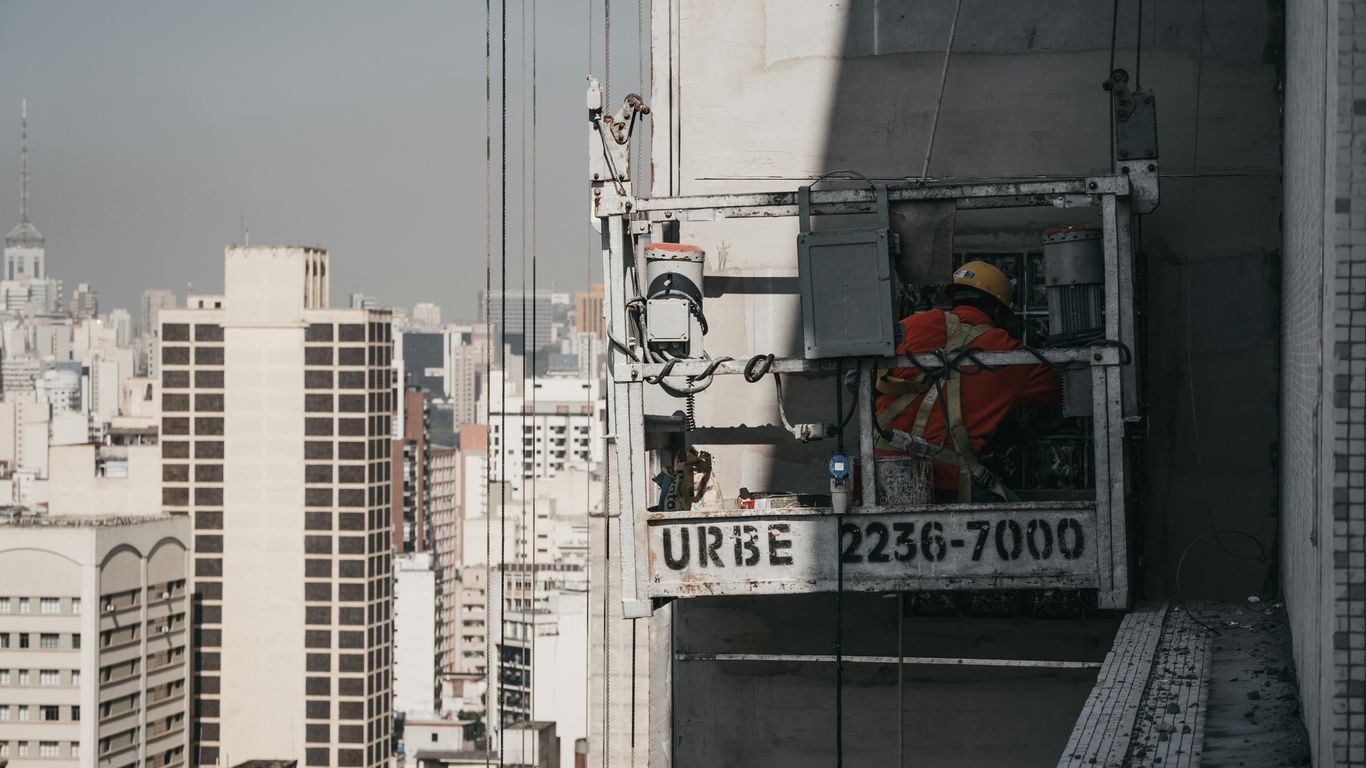
When you decide to hire in Brazil, you're tapping into a market that offers significant advantages, both financially and culturally. It's not just about finding skilled professionals; it's about integrating them into a team where they can thrive. Brazil is emerging as a prime remote hiring market for technology roles, offering a strong cost-benefit advantage for companies looking to expand their talent pool. Its growing appeal positions it as a significant future hub for American hiring needs [cc16].
The Financial Advantages of Brazilian Talent
One of the most compelling reasons to consider hiring in Brazil is the cost-effectiveness. You can access a highly skilled workforce at rates that are generally more competitive than those in the U.S. or Europe. This doesn't mean lower quality; it means better value. Many Brazilians are multilingual, often fluent in English and Spanish alongside Portuguese, which is a huge plus for international operations. Beyond the cost savings, there's a strong work ethic and a growing pool of tech expertise, making it a smart place to look for talent.
Integrating Cultural Understanding for Team Success
Understanding Brazilian workplace culture is key to building a productive and loyal team. Personal relationships are highly valued, so taking time for rapport-building in meetings is important. Brazilians often appreciate flexibility, and plans can sometimes shift, so adaptability is a good trait to look for. Loyalty and commitment are deeply ingrained values, and fostering these through professional development and recognition goes a long way.
Here are some cultural aspects to keep in mind:
- Hierarchy: Workplaces often have a clear structure. Respect for authority is common, and feedback is best delivered privately.
- Communication: It tends to be warm and can be indirect. Clear communication, avoiding jargon, helps.
- Collaboration: Teamwork is valued, and there's a general willingness to adapt to changing circumstances.
Building a successful team in Brazil involves more than just filling a role. It requires an appreciation for the local culture, a commitment to fair practices, and a focus on long-term employee relationships. This approach helps in retaining talent and fostering a positive work environment.
When you're looking to build your team, remember that continuous learning and adapting to market shifts are important for career growth [8c26]. Offering benefits like flexible work arrangements and opportunities for professional development can significantly boost employee satisfaction and retention. This focus on employee well-being is particularly appreciated and can lead to a more dedicated workforce.
Thinking about hiring in Brazil? It's a smart move that can bring lots of good things, but it's also important to understand the local way of doing things. We'll explore the great benefits and the unique cultural aspects you need to know to make your hiring process smooth and successful. Ready to learn more about making the most of hiring in Brazil? Visit our website today for all the details!
Wrapping Up: Smart Hiring in Brazil
So, we've gone over a lot of ground here, right? Hiring in Brazil can really open doors for businesses looking to save money and find great talent. It’s not just about the lower costs, though that’s a big plus. You're getting skilled people, often with good English skills, and a strong work ethic. Just remember, like we talked about, you've got to pay attention to the local laws. Things like termination rules and contracts are different, and getting them wrong can cause headaches. Companies like Edugradus can help you sort through some of this, especially with training. But really, the key is doing your homework, understanding the culture, and working with the right people to make sure you're hiring legally and ethically. Do that, and you'll be well on your way to building a strong, cost-effective team in Brazil.
Frequently Asked Questions
Why is hiring in Brazil a good idea for businesses?
Hiring in Brazil can save your company a lot of money. People in the U.S. often charge way more per hour for the same job than people in Brazil. This means you can get great workers without spending too much cash. It's especially helpful for new businesses that need to be careful with their money. Edugradus can help you find these talented people.
What are the main things to know about Brazilian work laws?
Brazil has rules called the CLT that cover how much people get paid, how long they can work, and what benefits they get. For example, a standard work week is 44 hours, and you have to pay extra for overtime. Employees also get about 30 days of paid vacation each year. It's important to understand these rules to avoid problems. Edugradus can guide you through this.
How can I make sure my new Brazilian employees feel welcome and stay with my company?
To keep your Brazilian team happy, it helps to understand their culture. Brazilians often value strong personal connections and loyalty. Offer chances for them to learn new skills and grow in their careers. Also, showing you care about their work-life balance and respecting their traditions goes a long way. Making them feel part of the team is key for success.